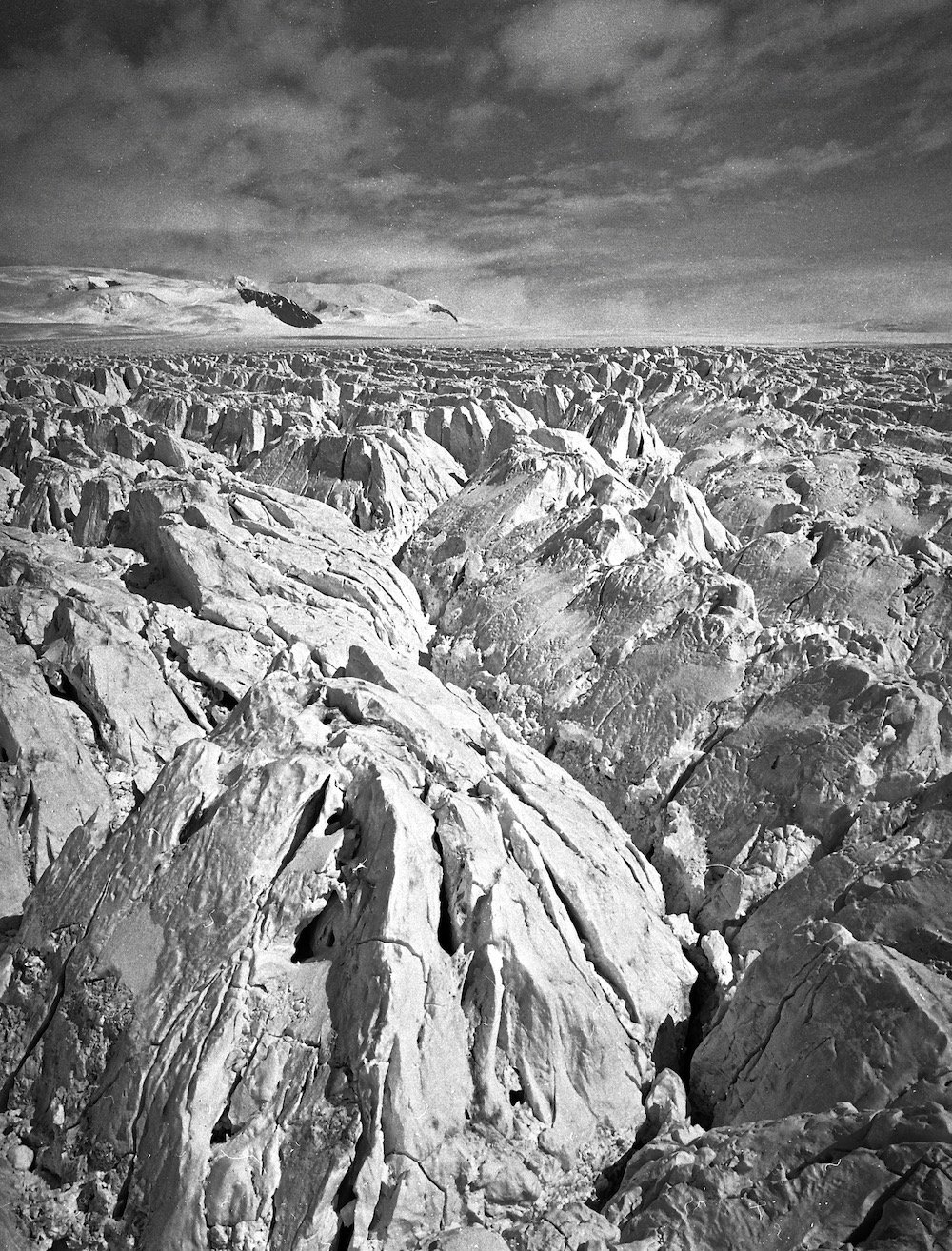
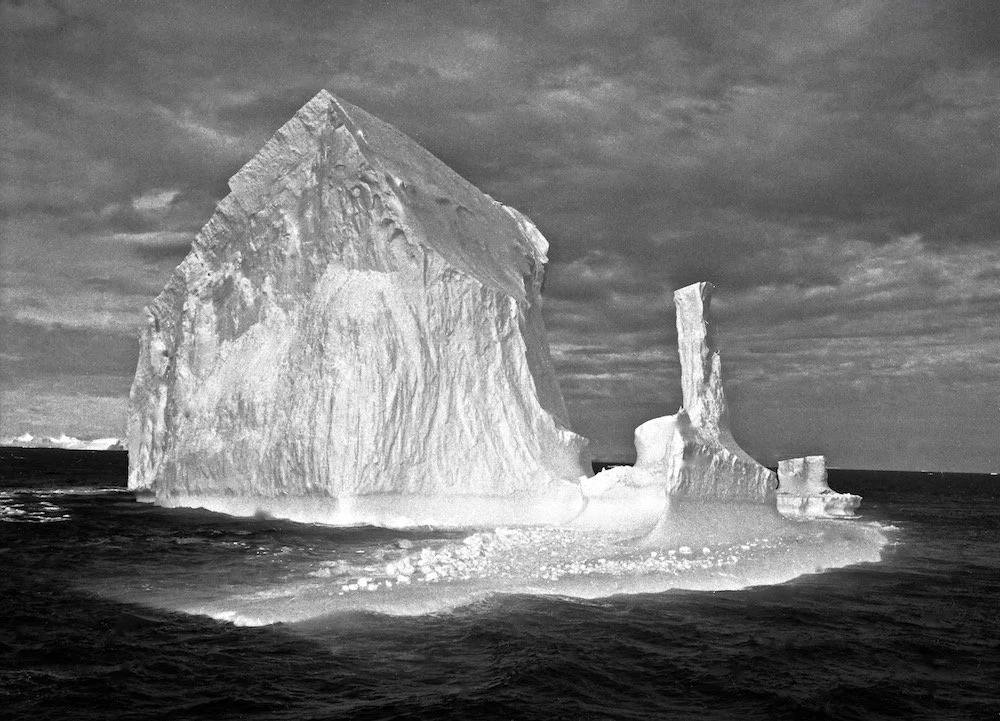
Marzena Pogorzaly has been photographing polar regions for over thirty years. Trained as a marine biologist and oceanographer, she first went to Svalbard in the Arctic Circle on the invitation of the Polish Academy of Sciences in 1992, and felt an immediate affinity with the elemental, almost abstract landscape. It made such an indelible impression that planning subsequent visits became an obsession. Five more expeditions to North and South polar regions followed, and icebergs have remained the object of her visual and intellectual fascination. Her finest images were produced on board Royal Navy ice patrol ship HMS Endurance in 1999 and 2007.
From the vantage point of the RN Lynx helicopter, Pogorzaly maps out the frozen terrain, with a precision and formalism which retains distance and objectivity. This aerial detachment removes any sense of the traditional picturesque and transforms her subjects, massive icebergs, glaciers and other frozen configurations into huge obelisks, tinged with a sense of wonderment and surreality. Her unerring eye for the delicate and dramatic structures of ice reveals the continent in surprisingly sensual detail. A contemporary portrait of an icescape, pure and vast, but ultimately under threat.
Pogorzaly’s work has drawn widespread praise. Al Alvarez has written of ‘her steady, loving eye’ and ‘faultless sense of composition’. Neal Ascherson said that she had ‘identified the architecture of the inner dream which draws human beings towards the polar regions’, and considers her ‘one of the most distinguished and original polar photographers of her generation’, with a ‘vigilant instinct for the numinous’. Simon Schama has described her subject matter as ‘sculpture that isn’t sculpture - liquid, solid, monumental’ and her images as ‘startling works of art - haunting, powerful, mesmerising’.
Her work has featured in many publications including Geographical, The New York Review of Books, British Journal of Photography, Portfolio, Perspective and , most recently, MONK magazine. Her ice photographs have been exhibited by the Royal Geographical Society (London), Ffotogallery (Cardiff), Ice House Gallery (London) Alzueta Gallery (Barcelona), as well as during the 2006 Antarctic Treaty Consultative Meeting in Edinburgh.
Marzena has recently discovered that her polar photography is the subject of an extensive critical evaluation by Katherine Yusoff in her PhD theses Arresting Vision: A Geographical Theory of Antarctic Light (University of London 2005).
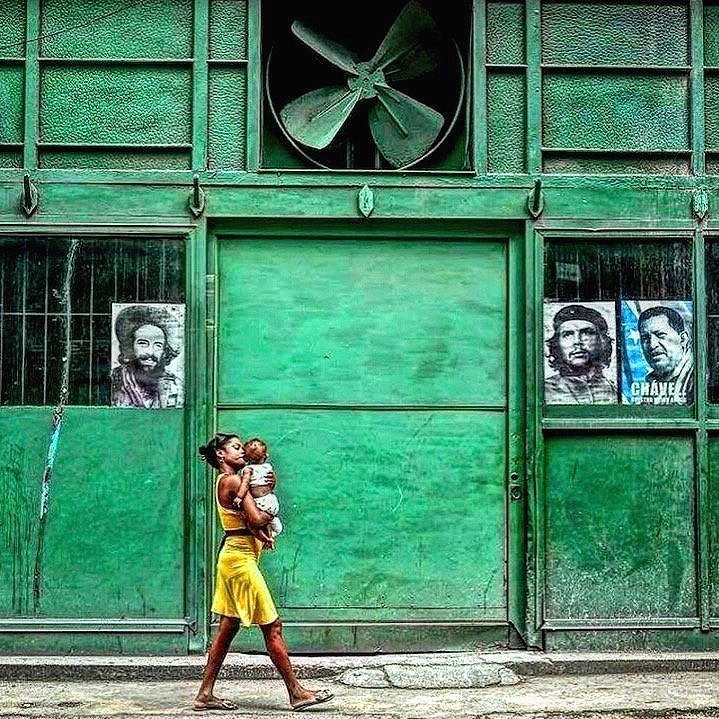
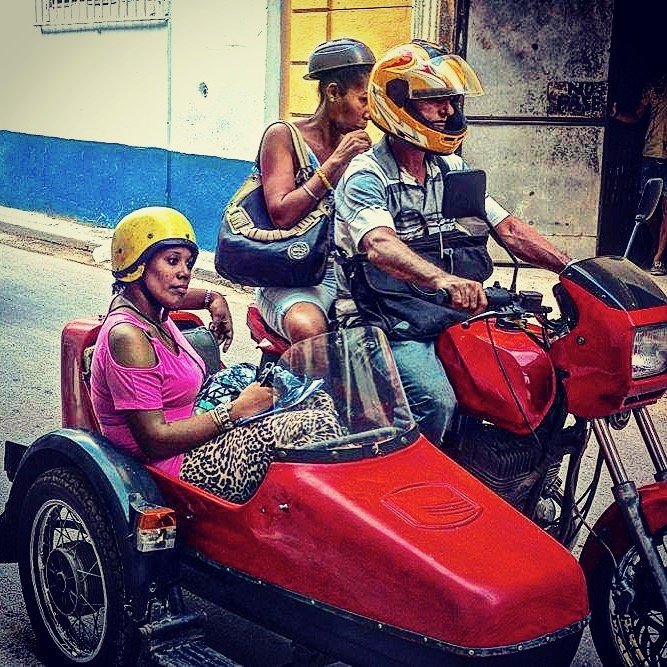
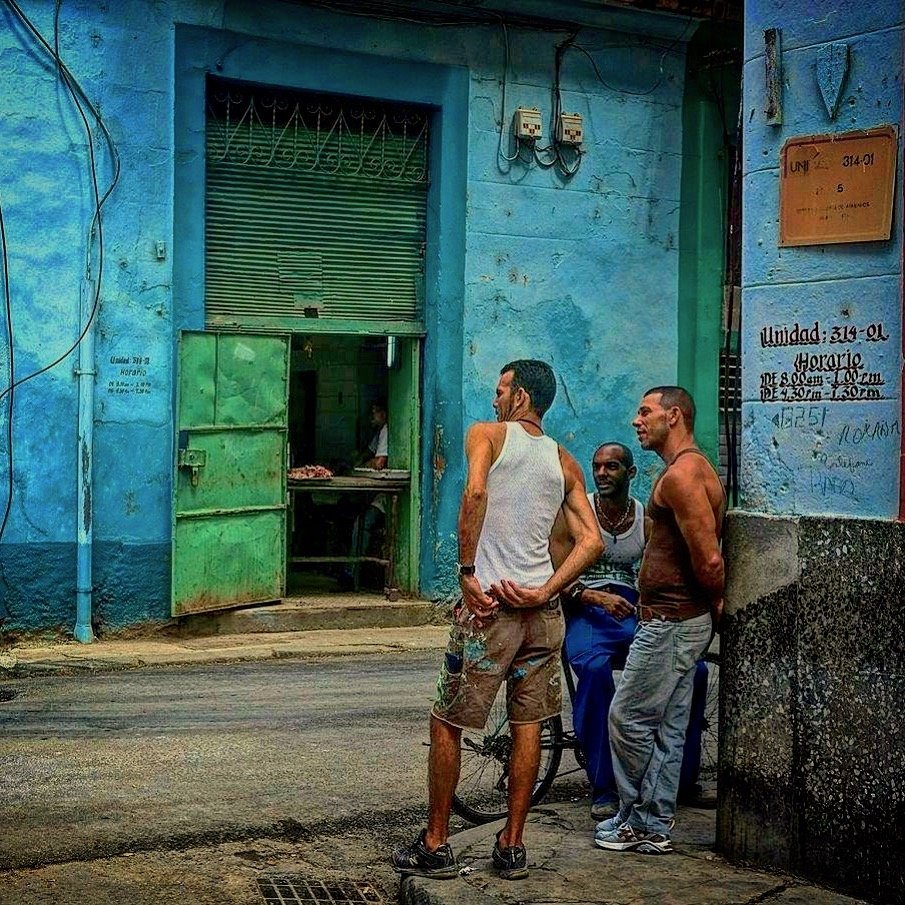
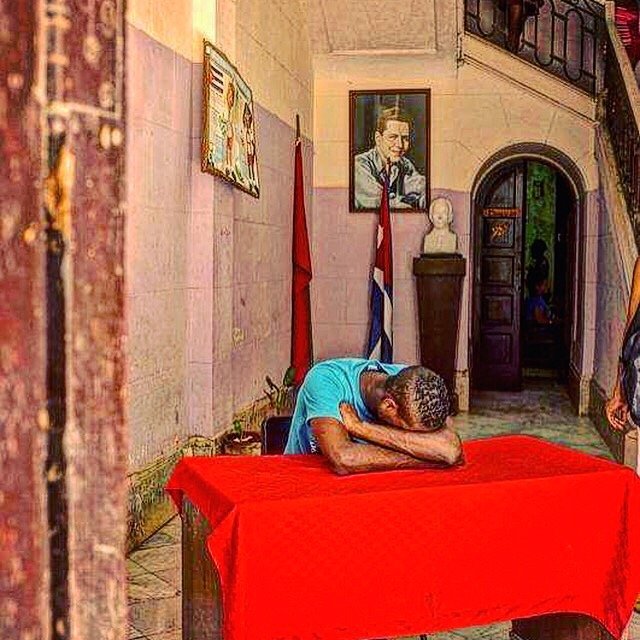
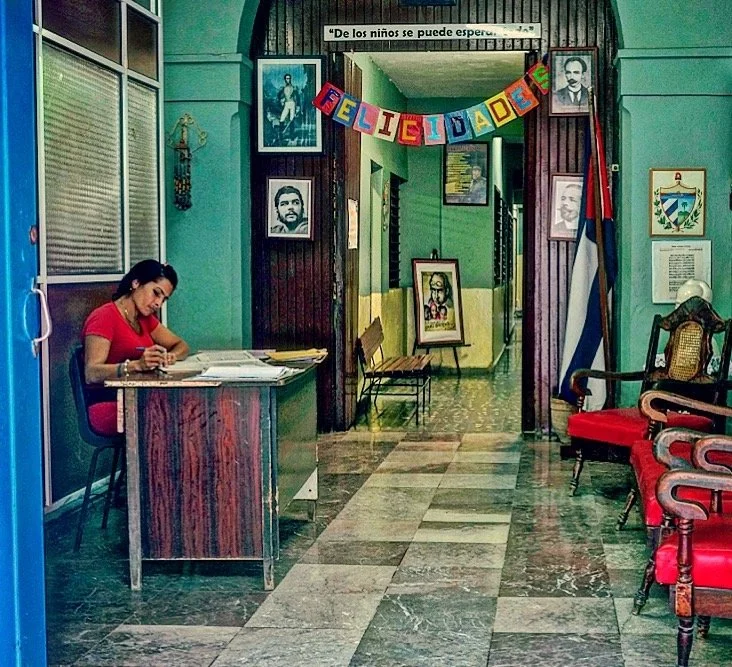
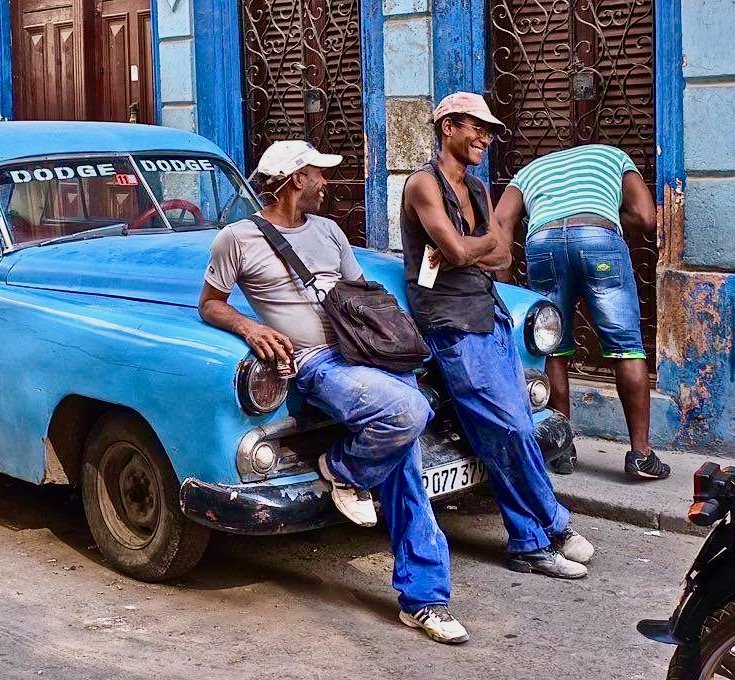
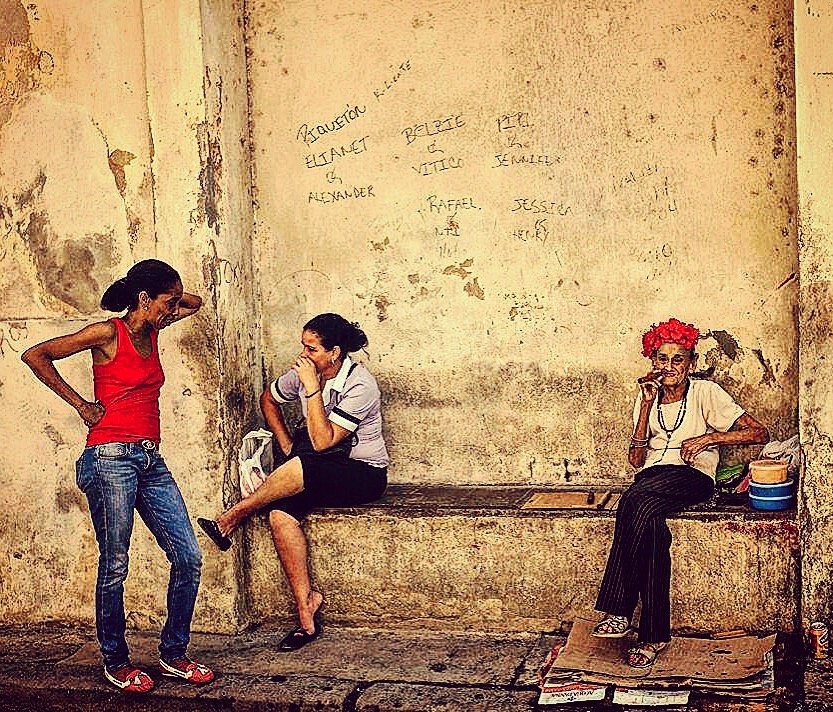
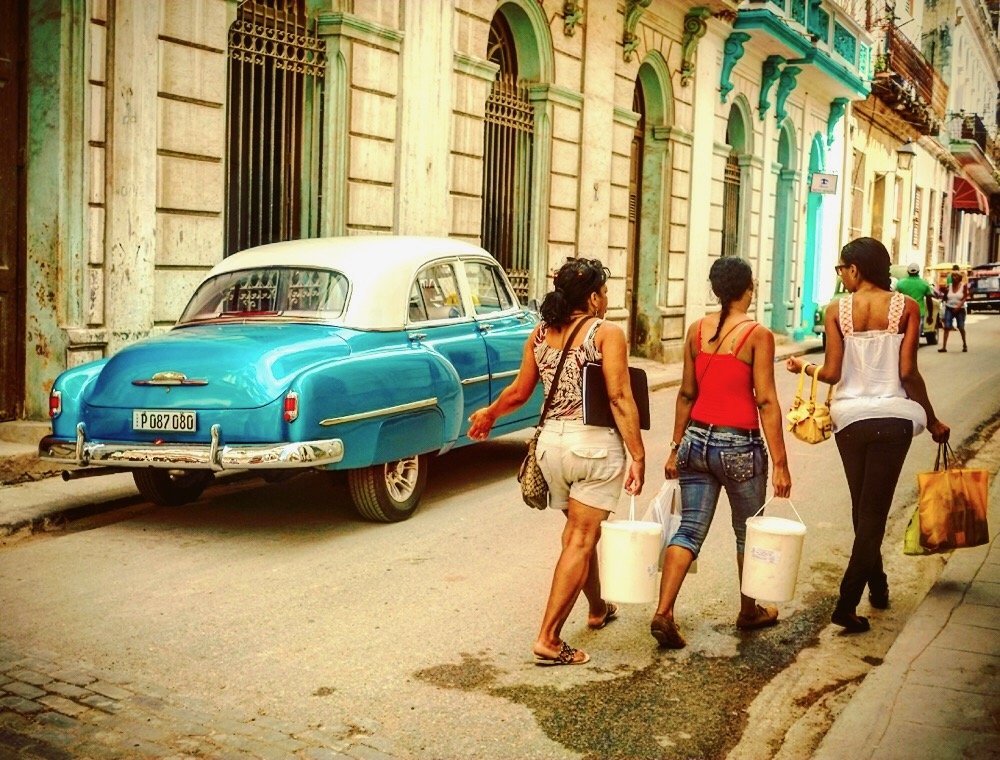
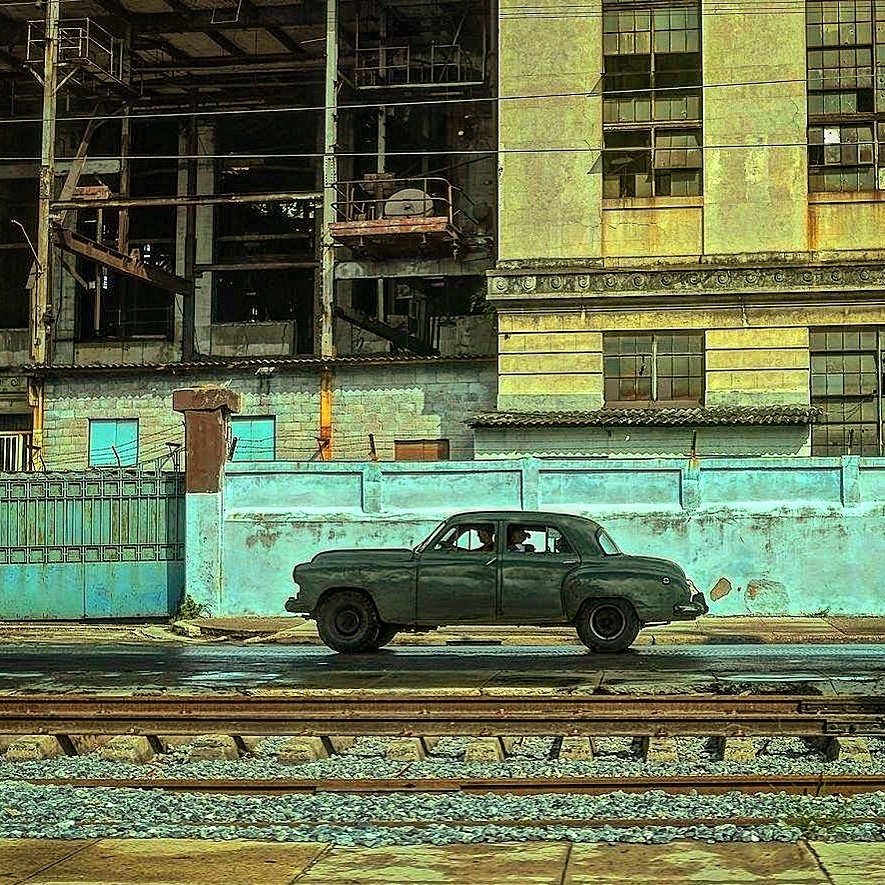
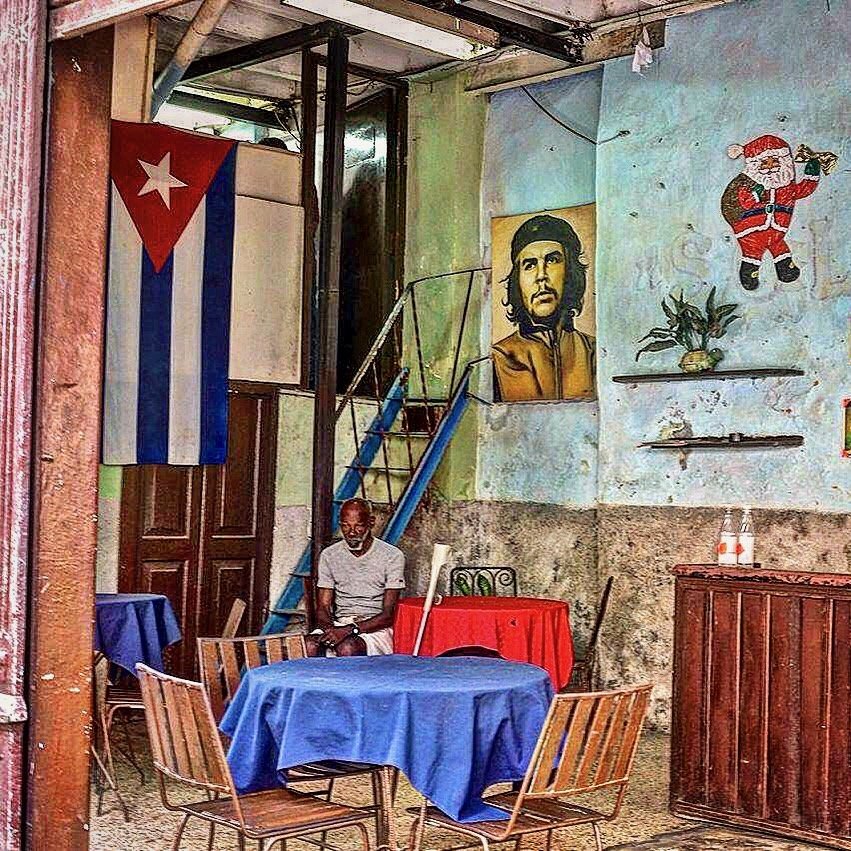
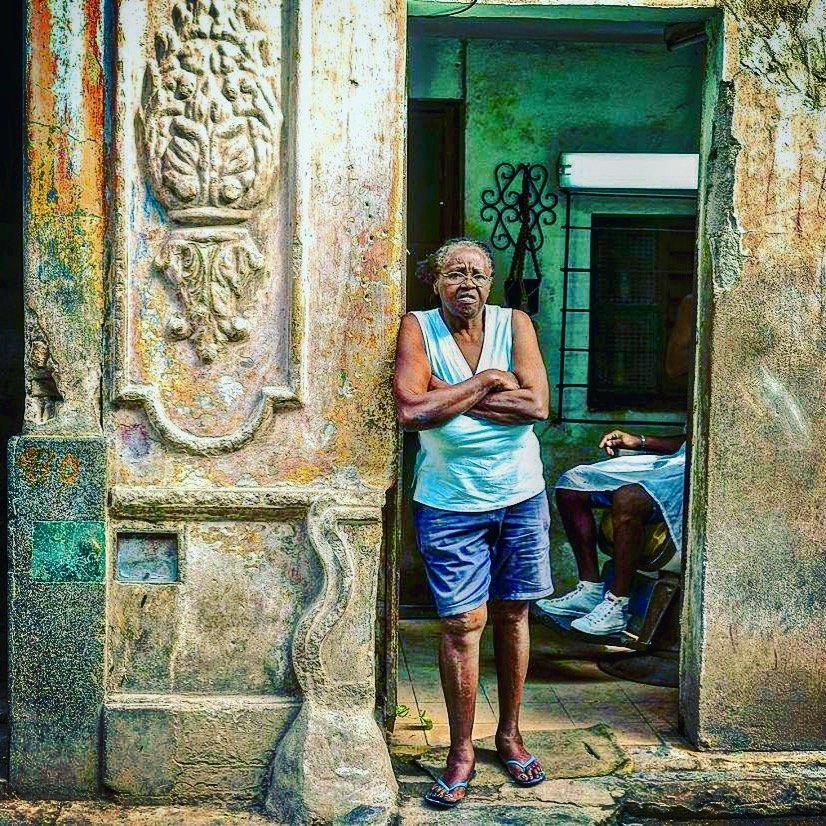
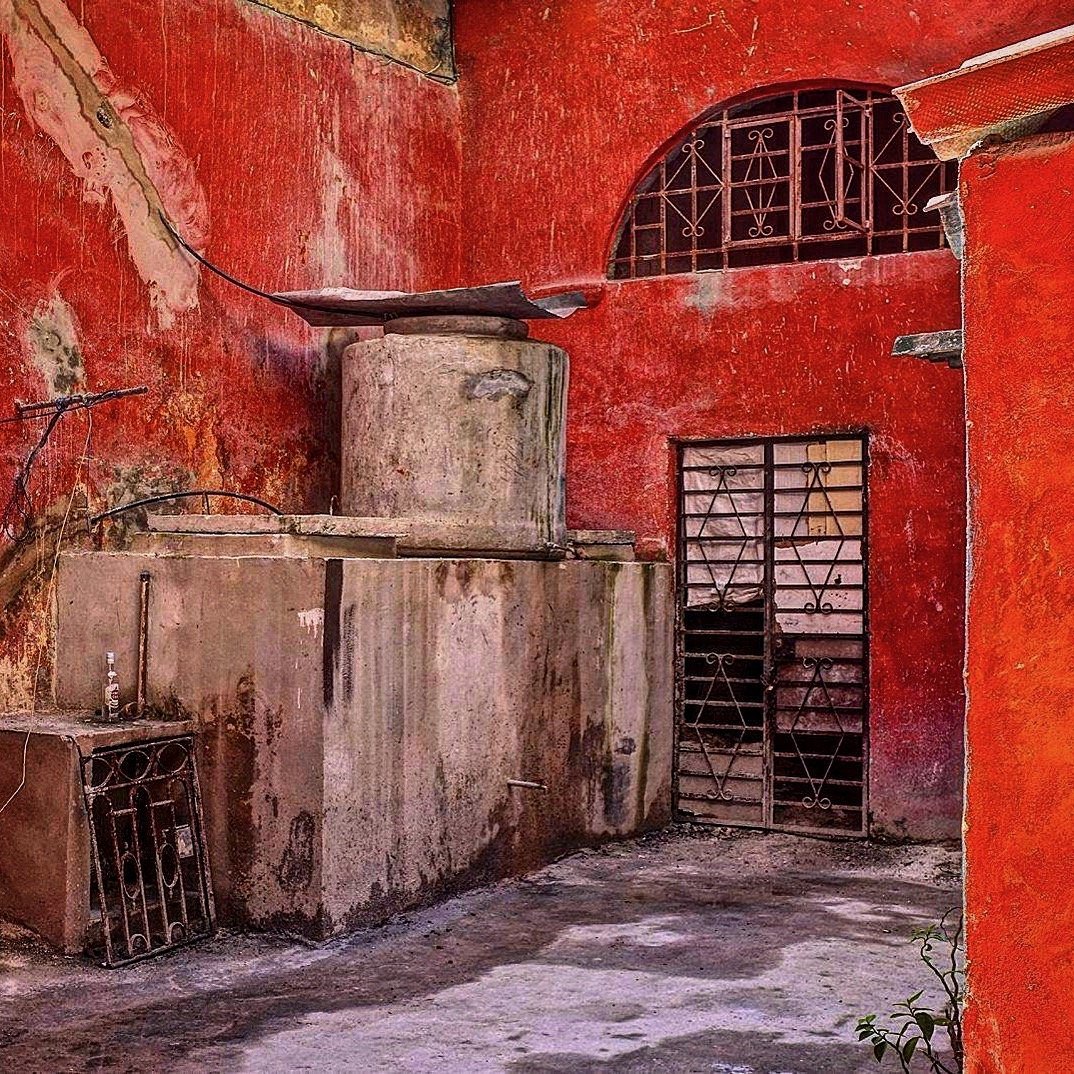
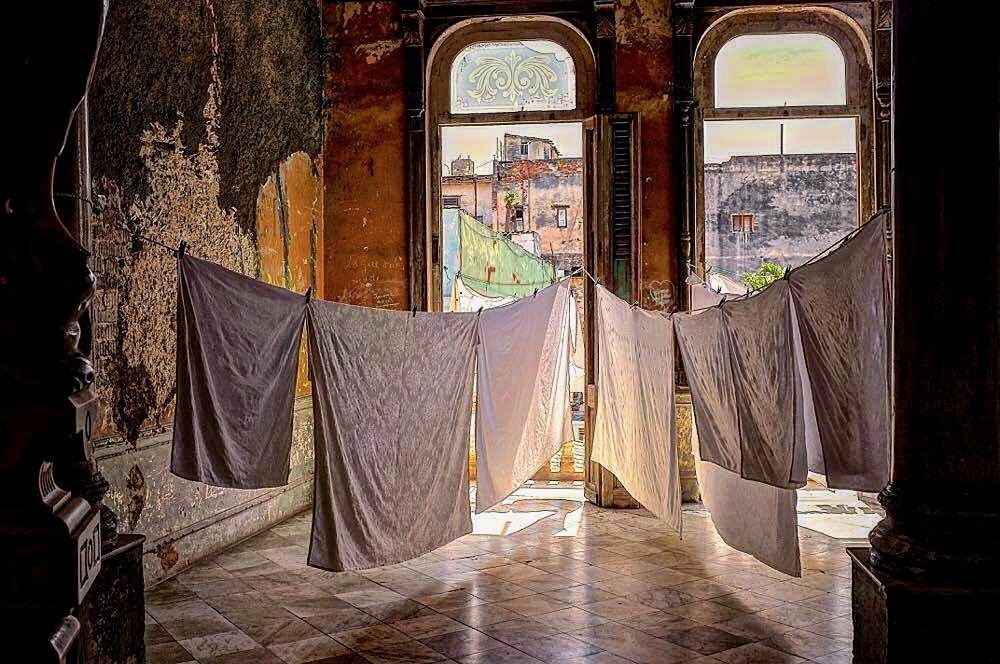
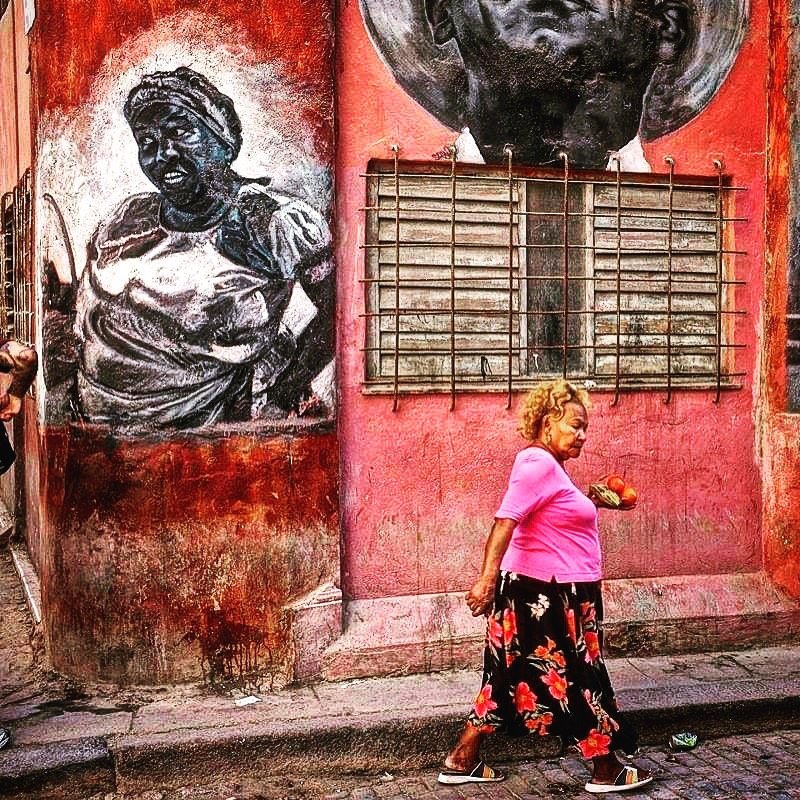
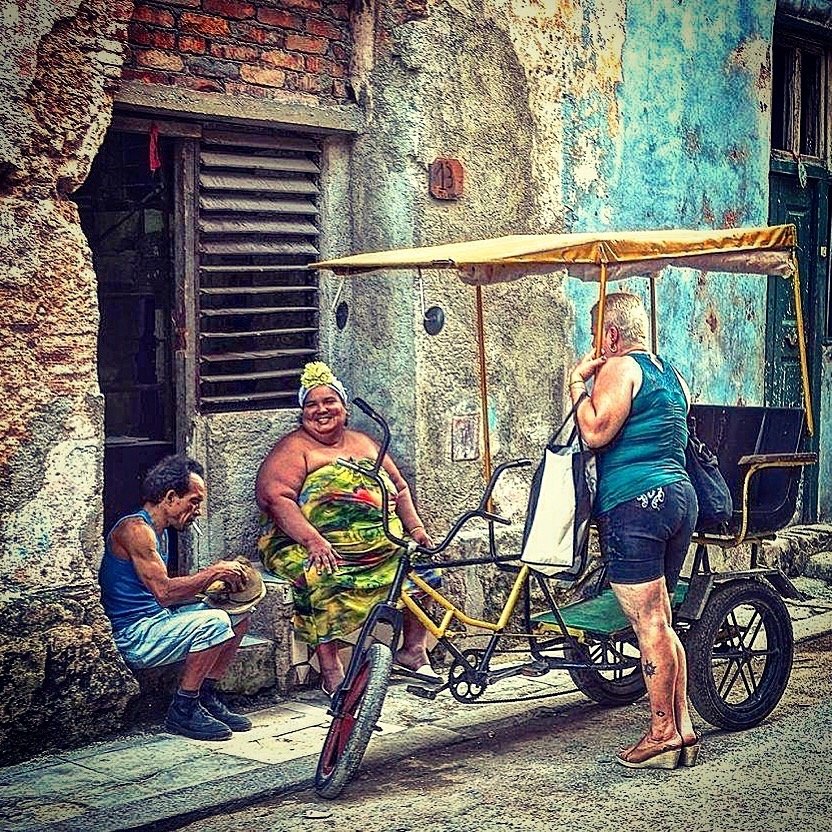
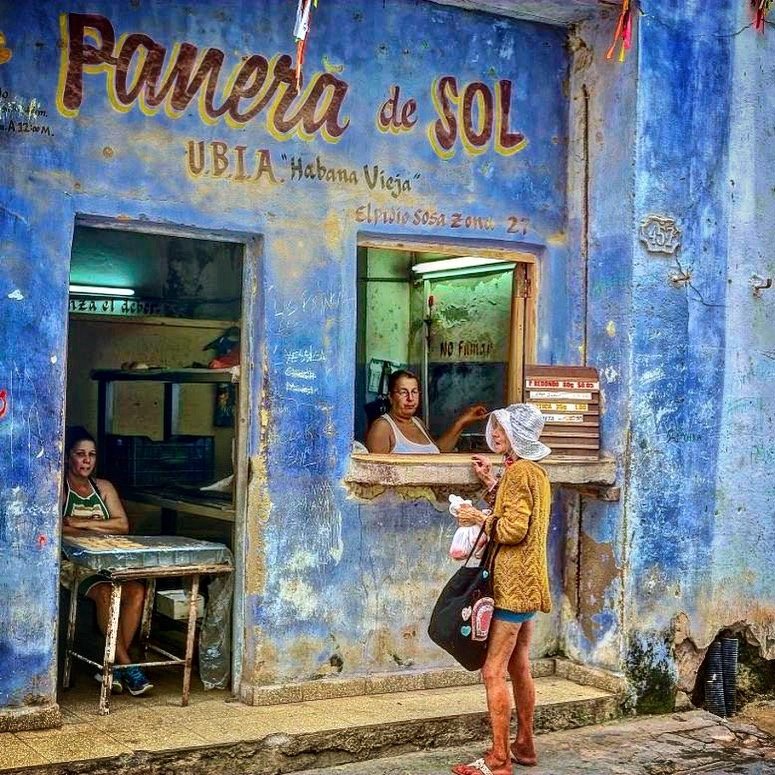
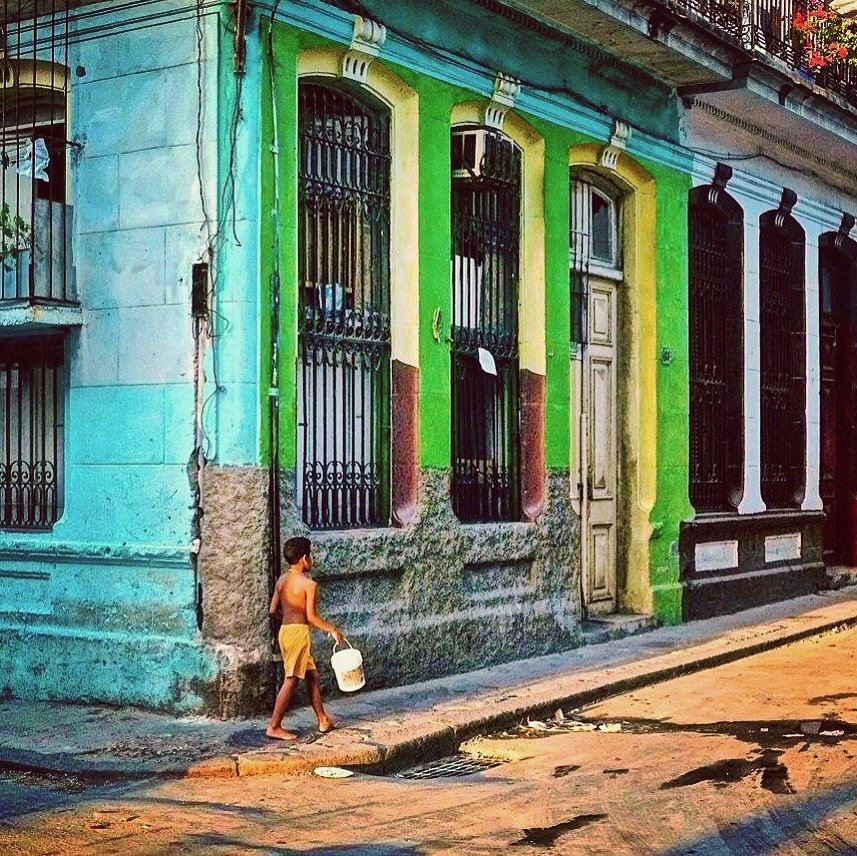
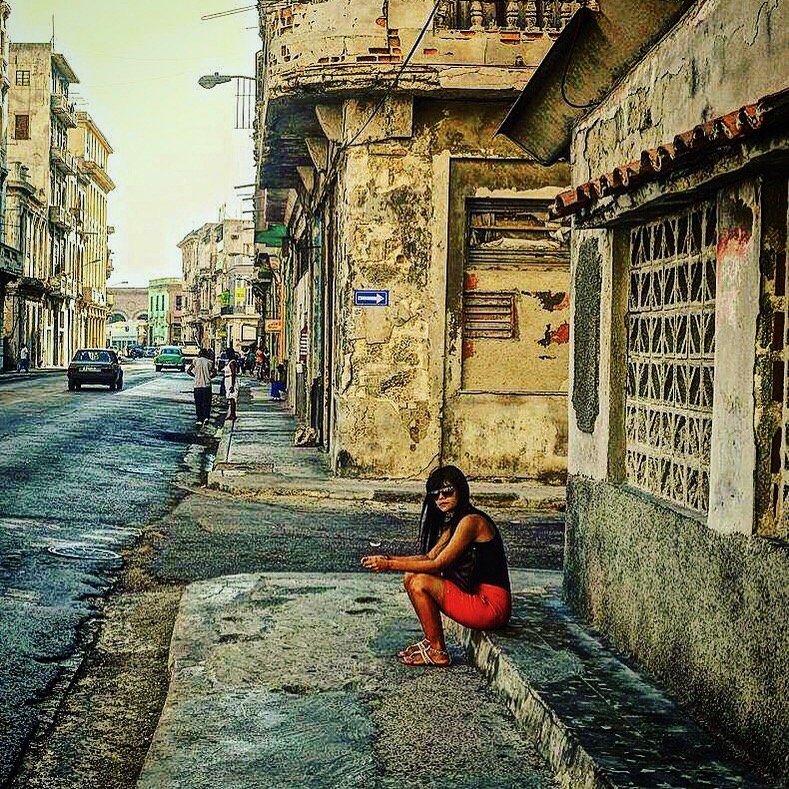
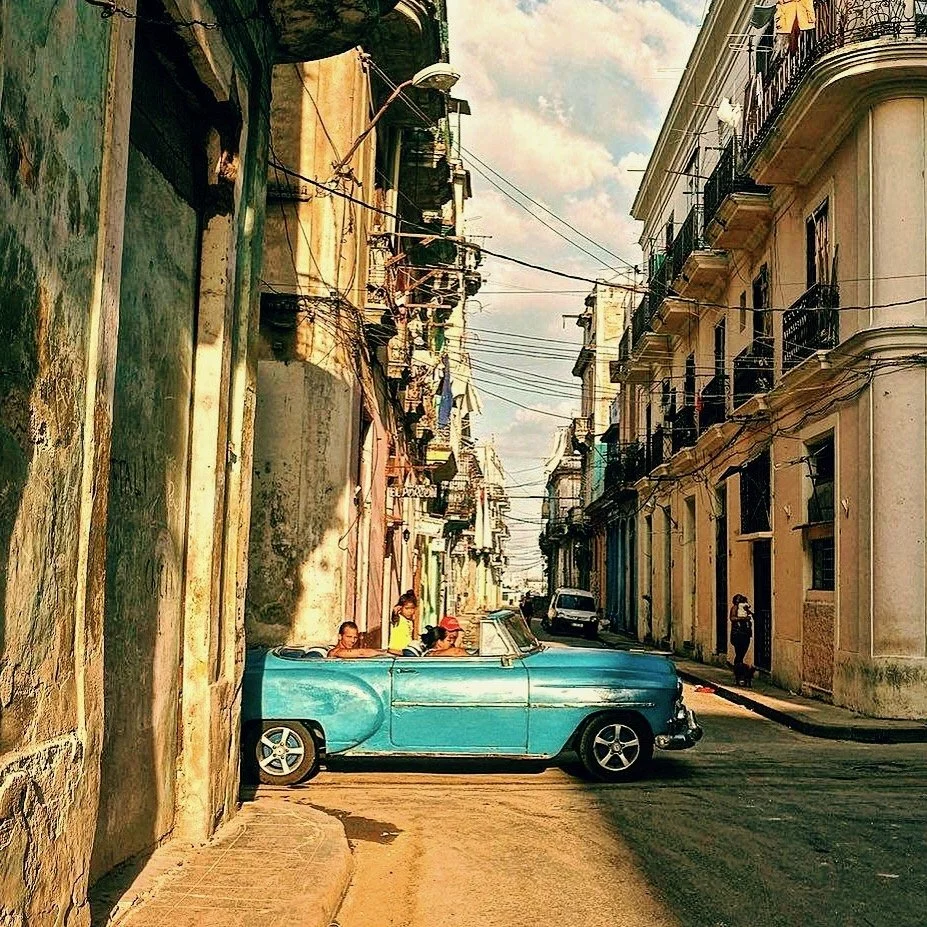
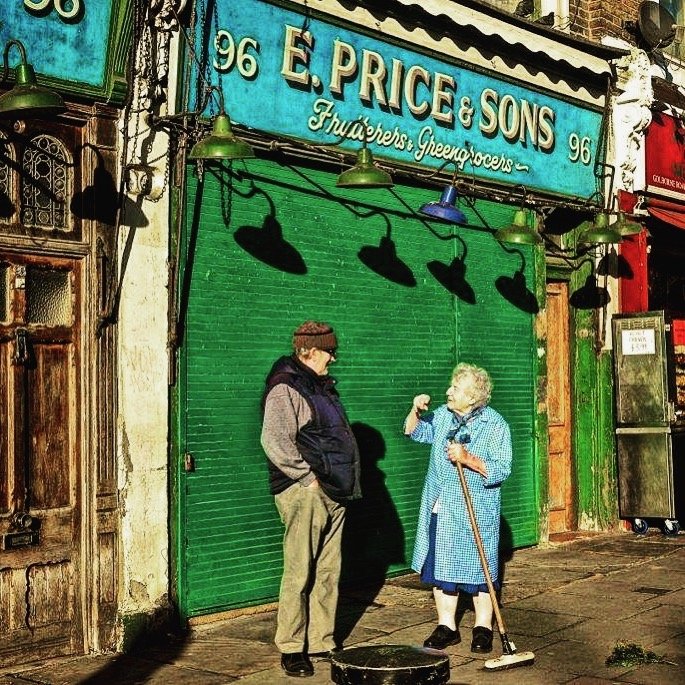
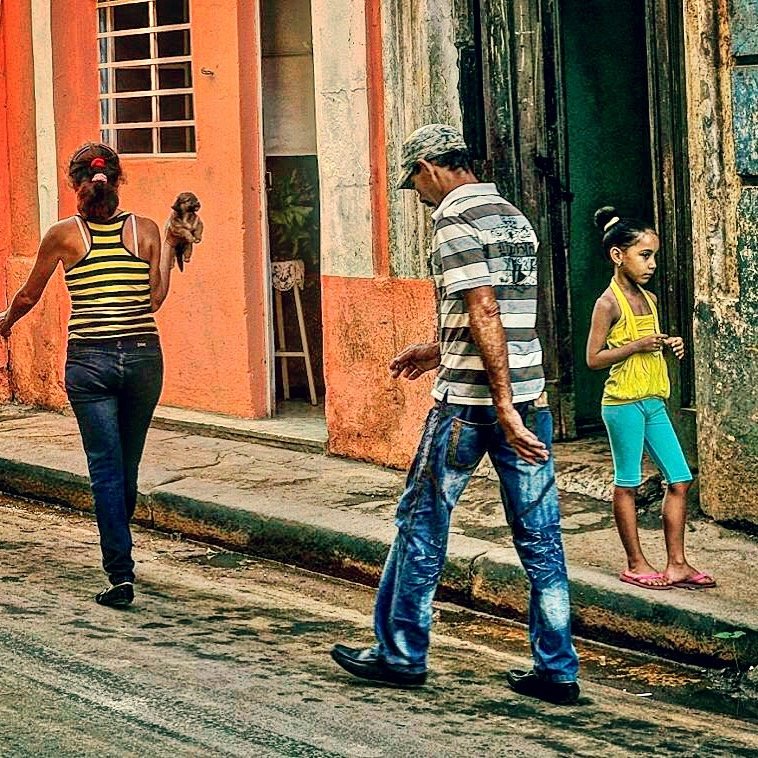
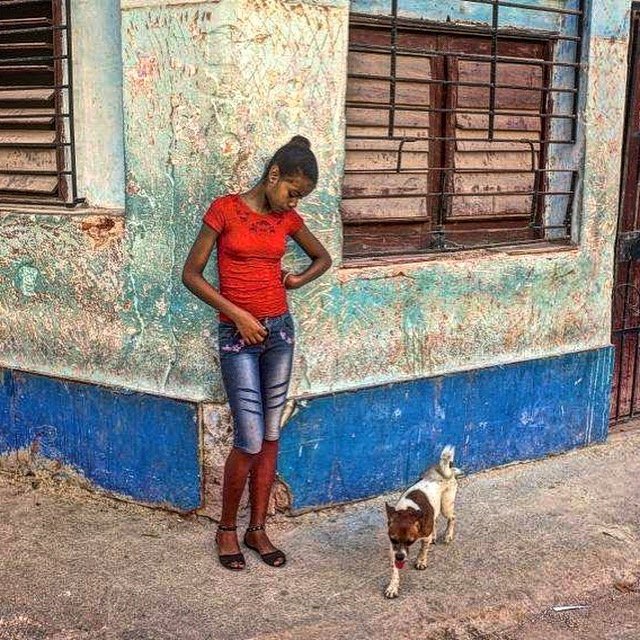
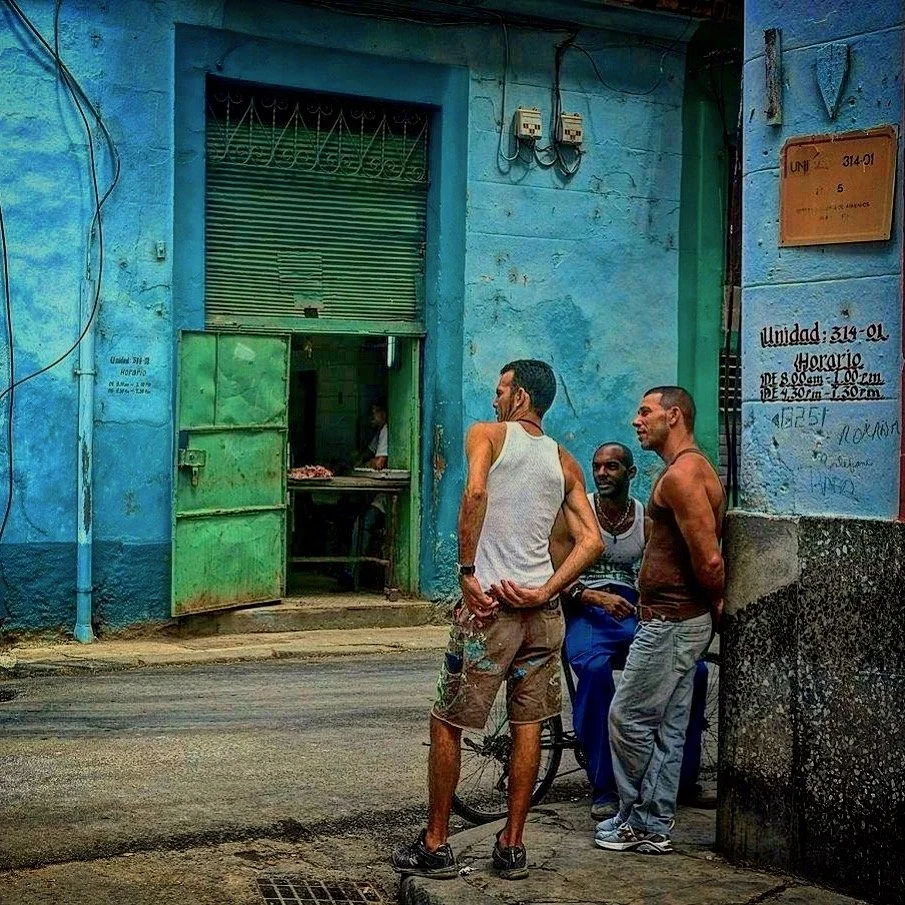
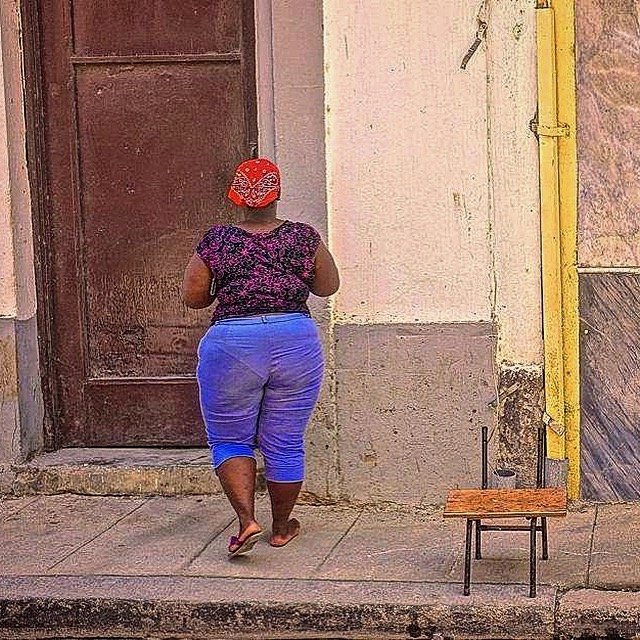
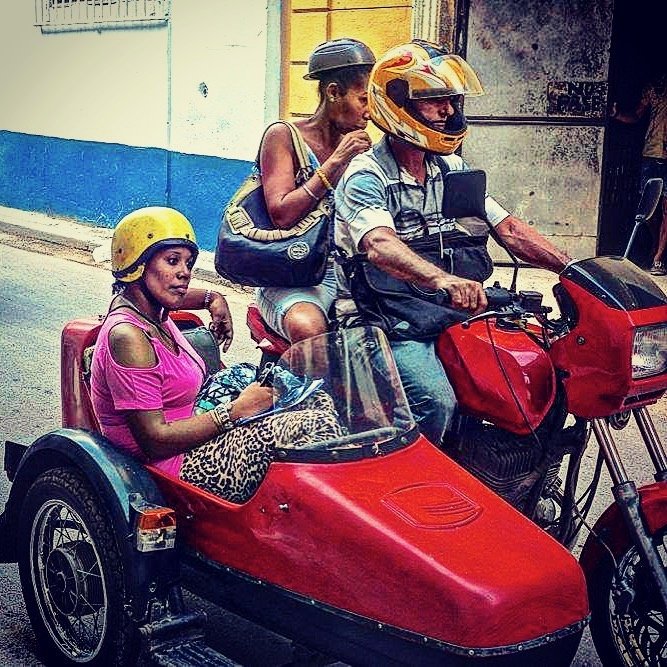
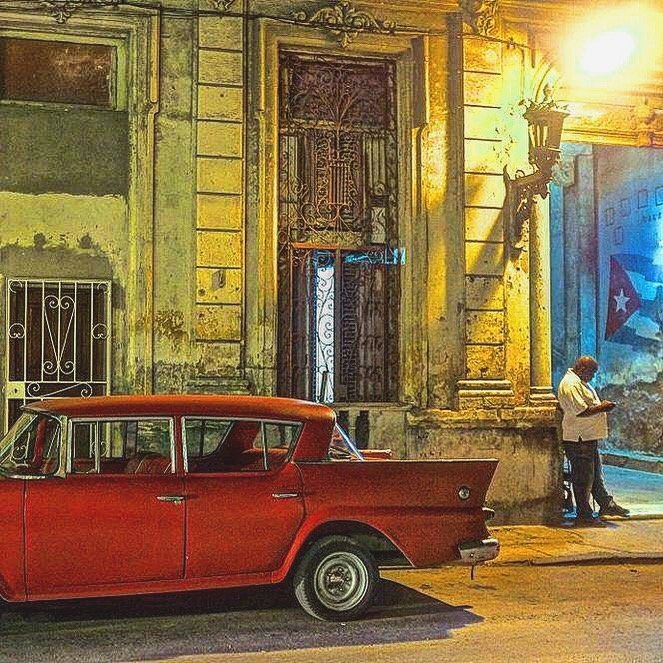
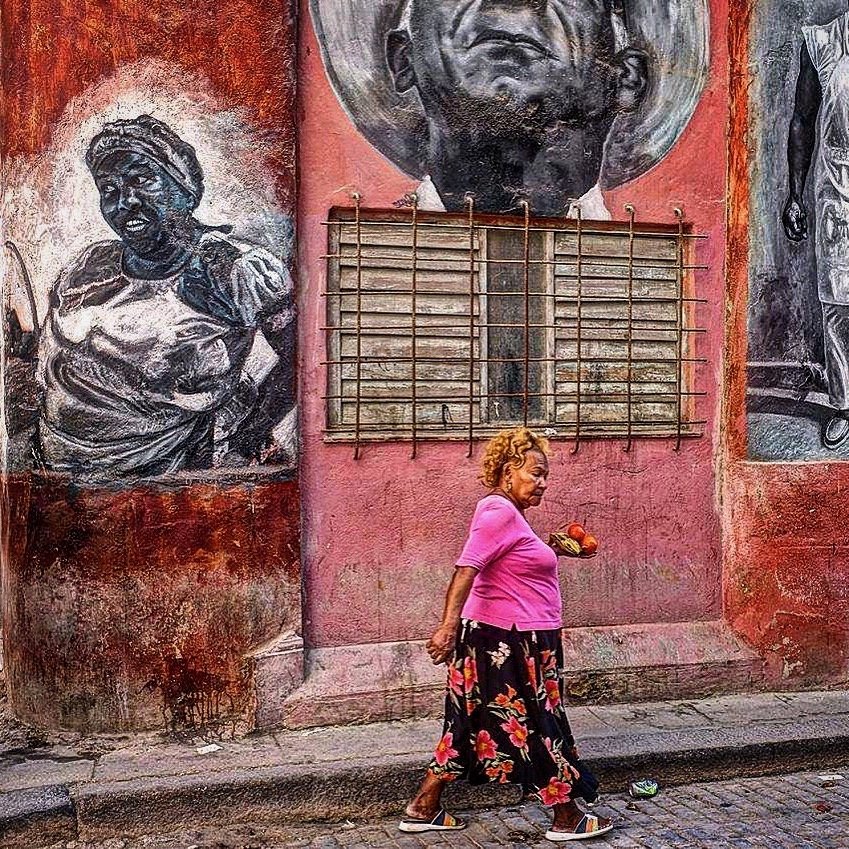
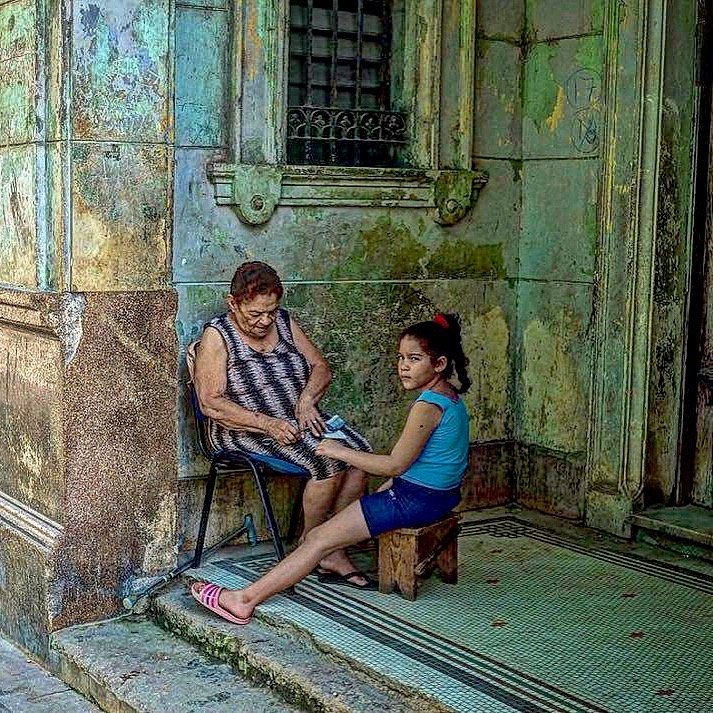
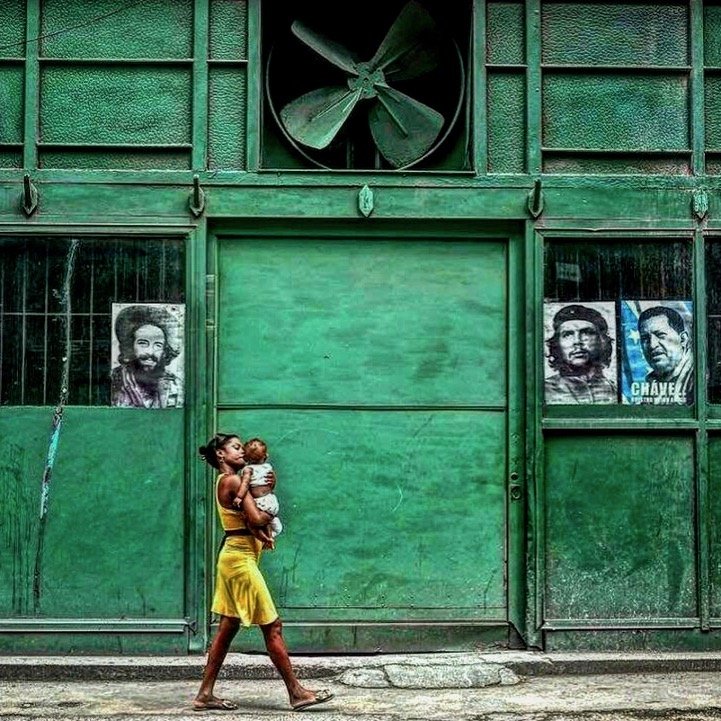
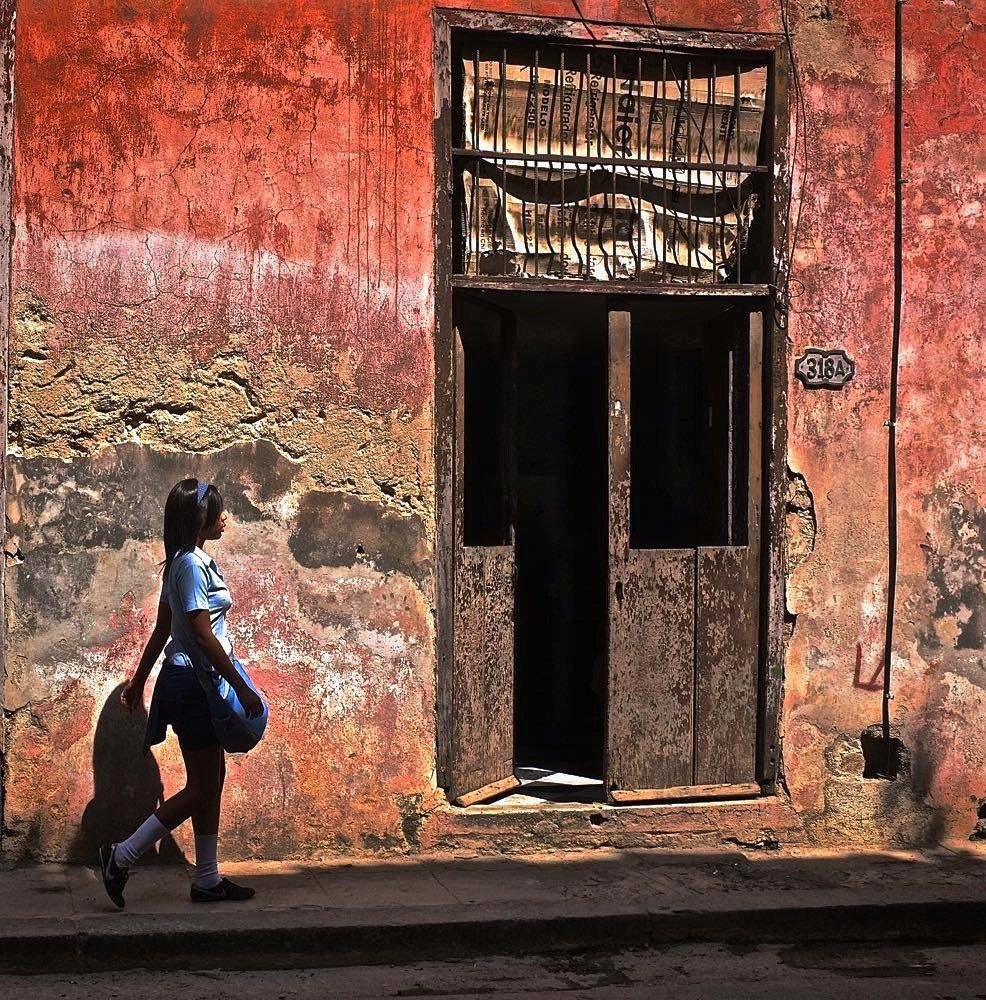
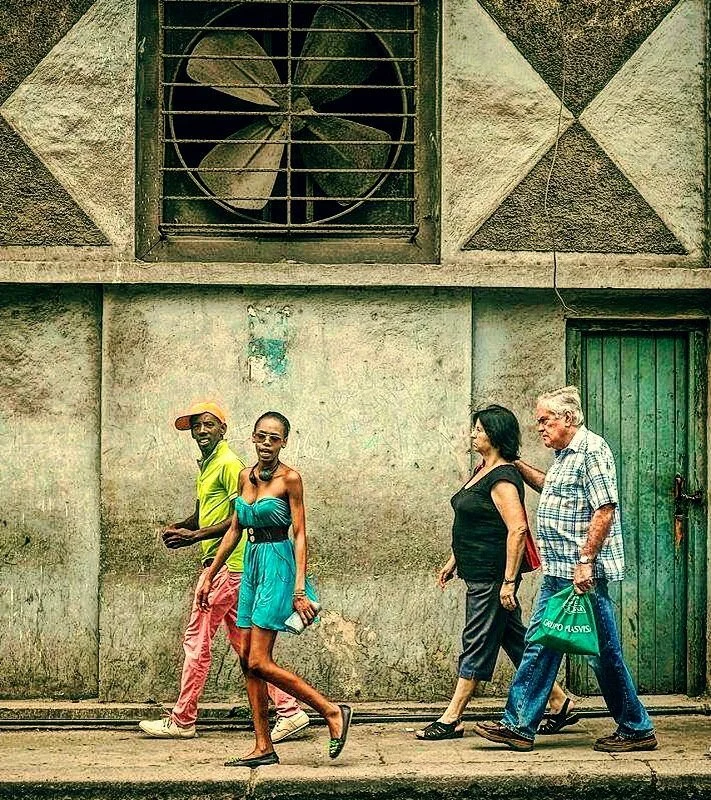
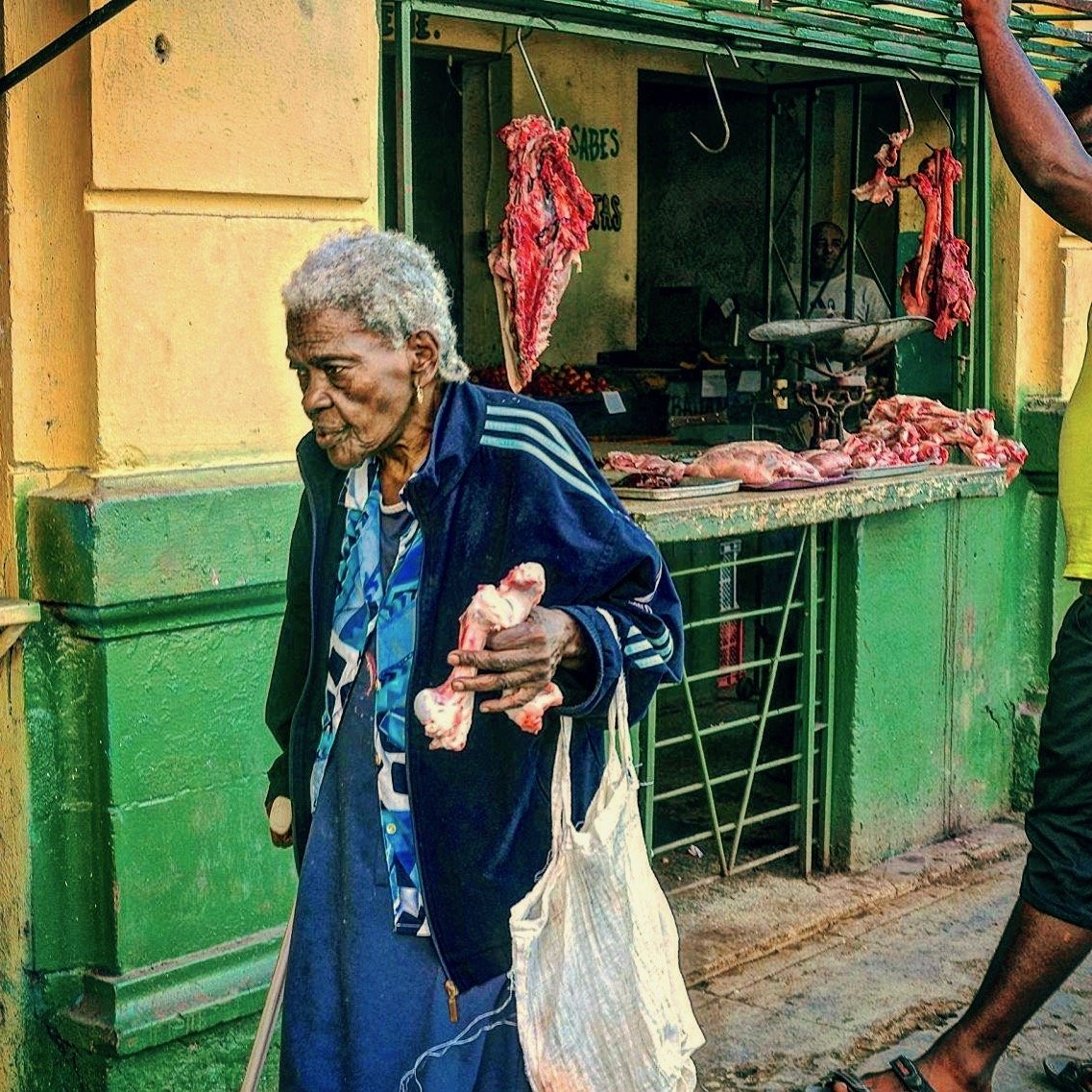
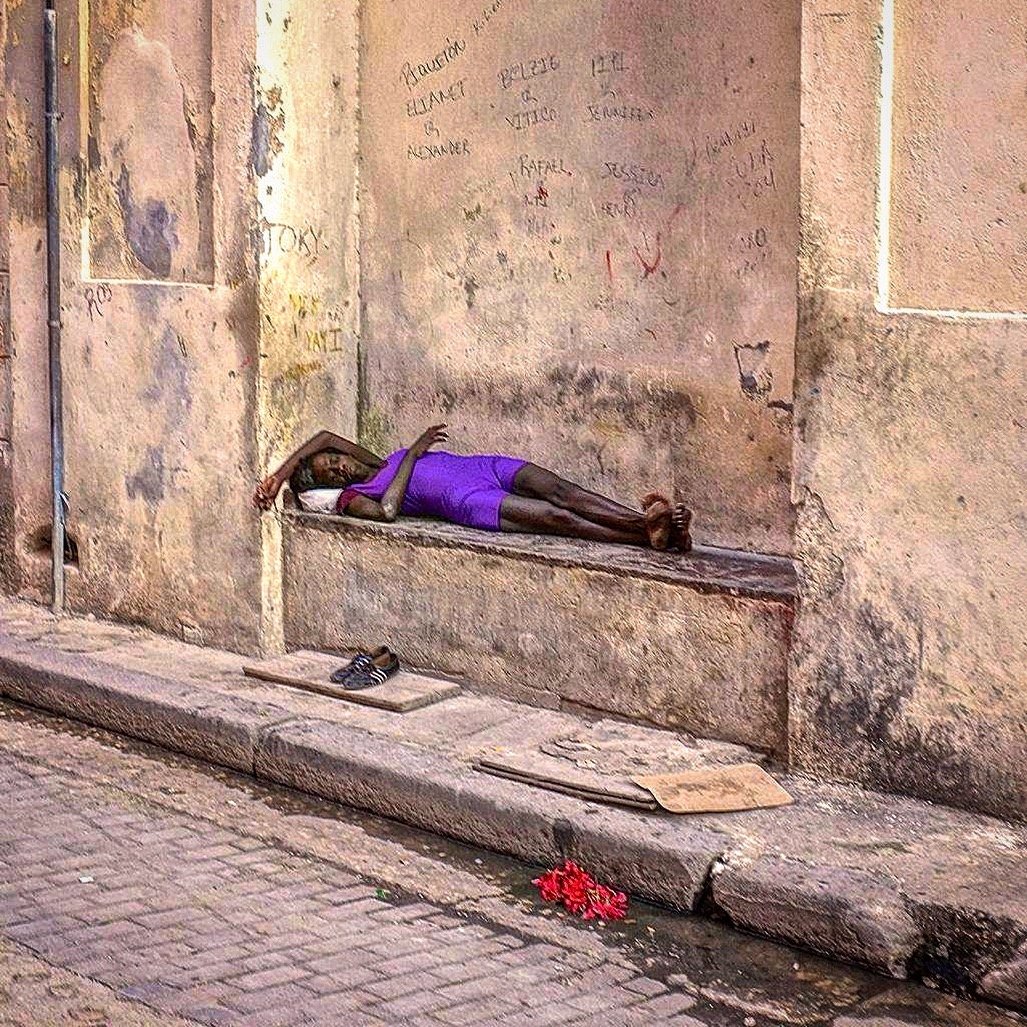
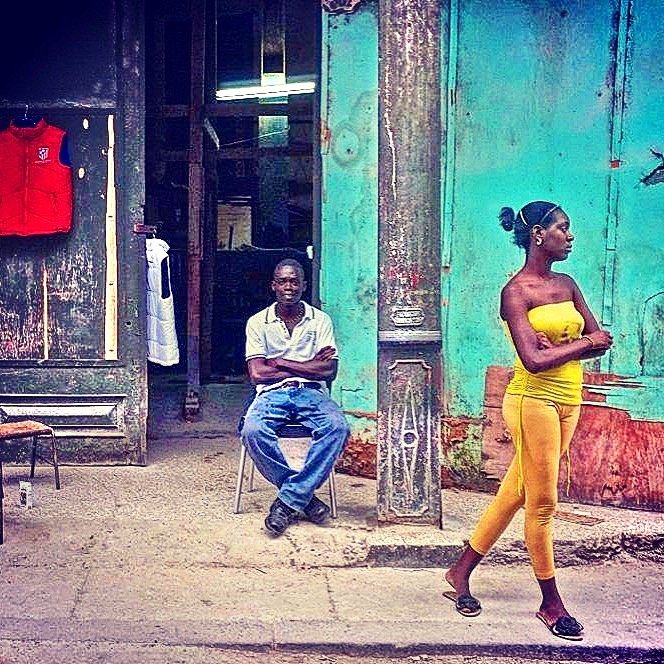
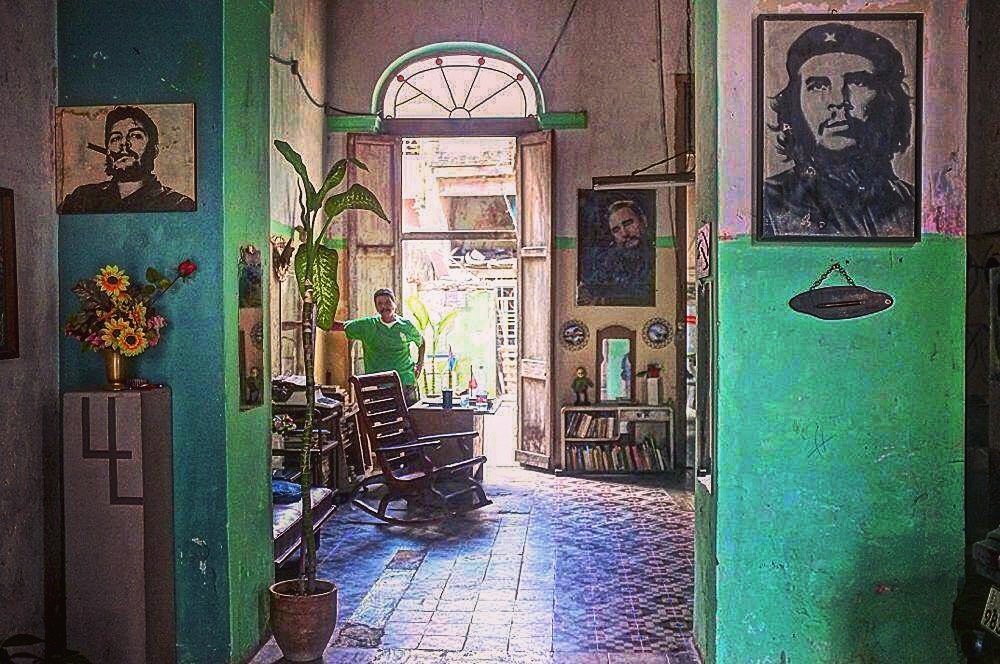
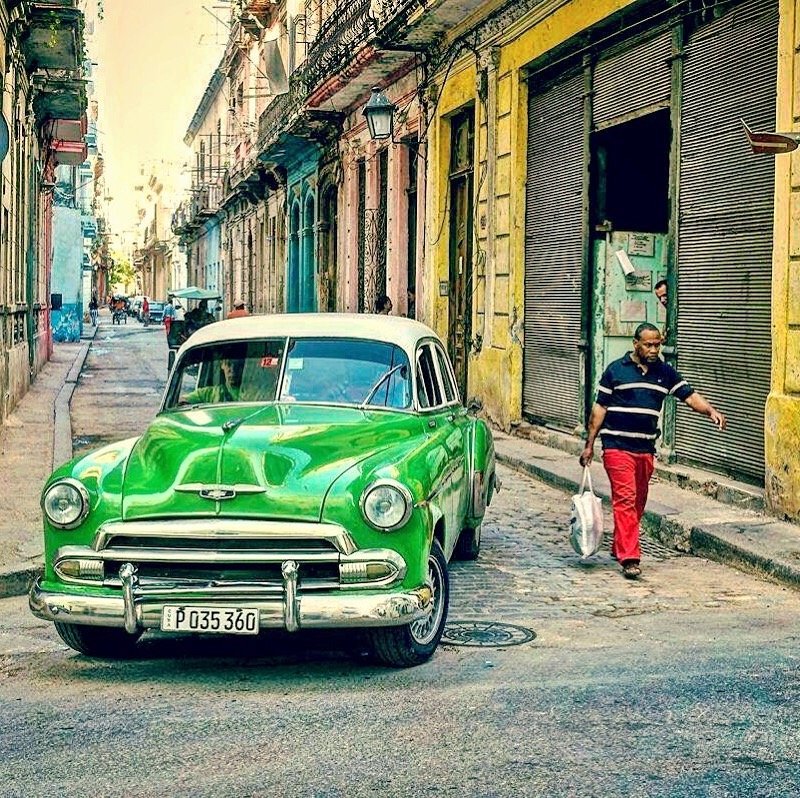
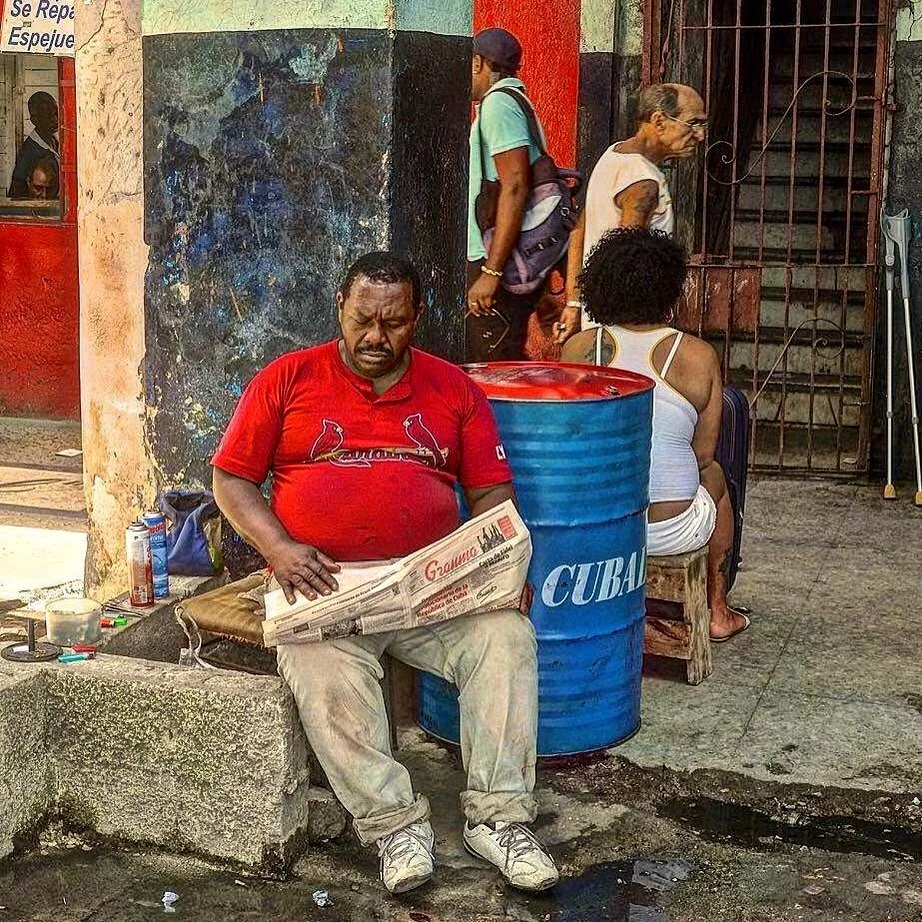
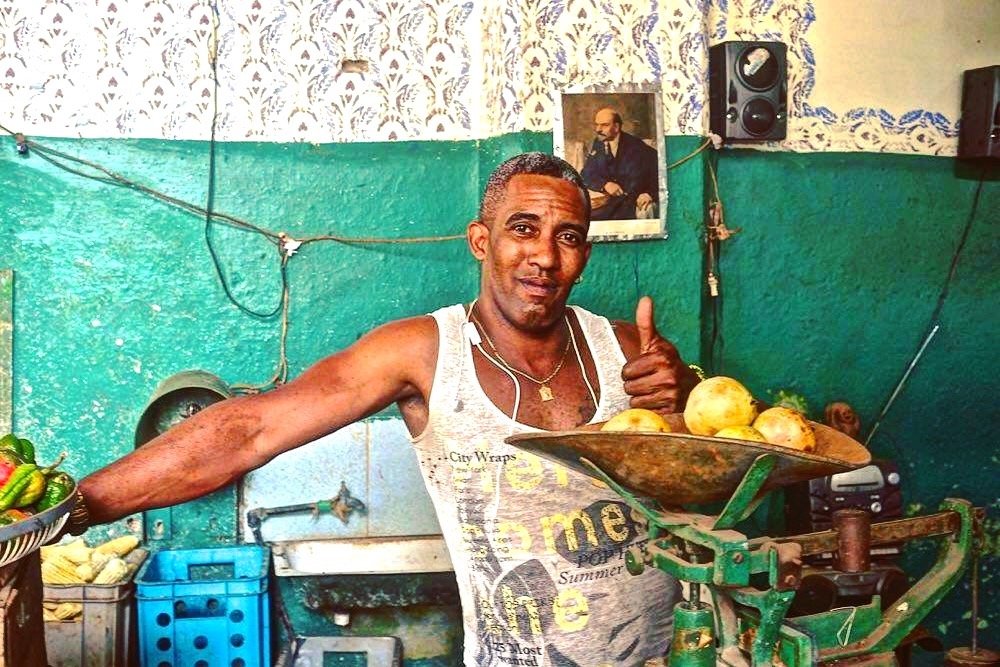
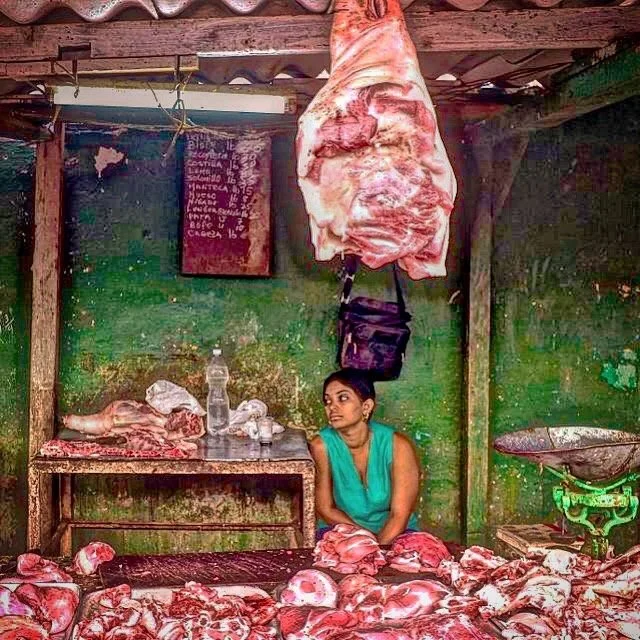
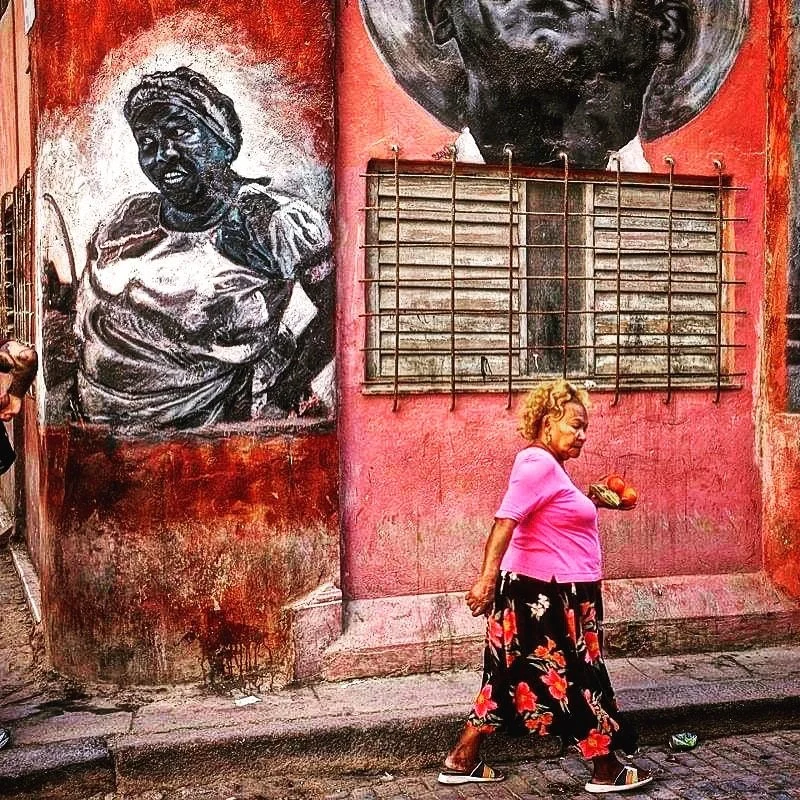
I went to Havana in 2014, and again in 2015 - first to see it before it was irrevocably altered by the forces of history and geopolitics; second, because Havana, once tasted, is an irresistible drug. Armed with a Fujifim camera, a spare battery in my pocket, and a single fixed lens, I spent three weeks walking the streets of El Centro and Havana Vieja, the old districts, trying to capture the ramshackle beauty and decay of the city, and the people who live there.
I am a general practitioner of photography. To quote Garry Winogrand: ‘I photograph to find out what something will look like photographed.’
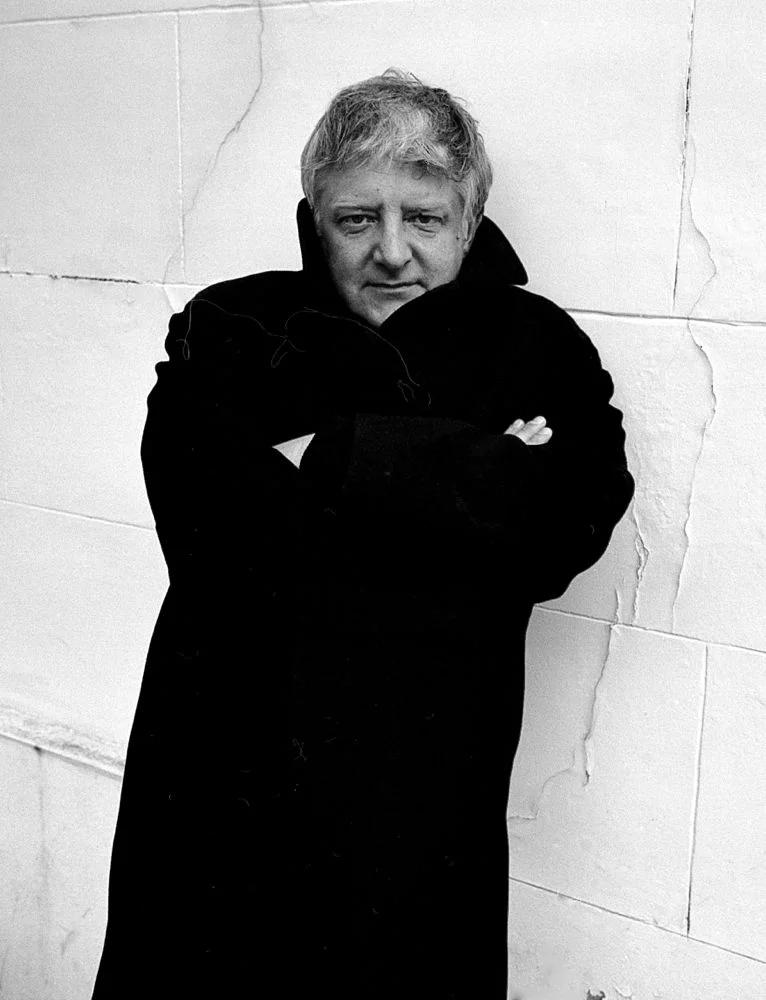
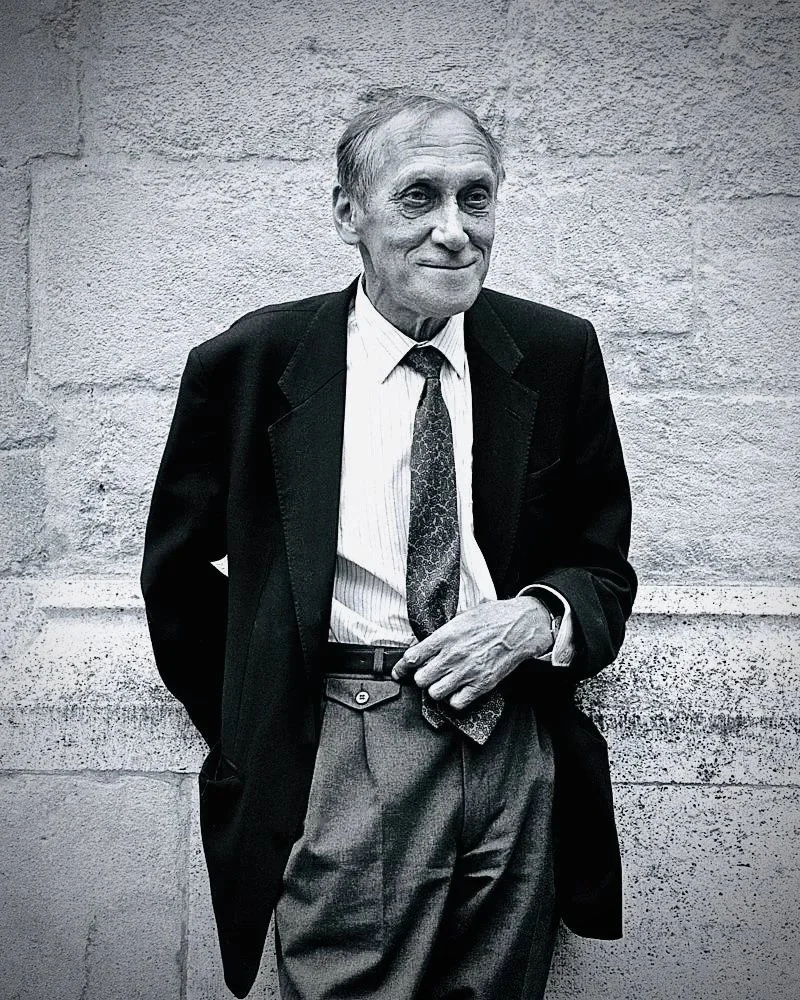
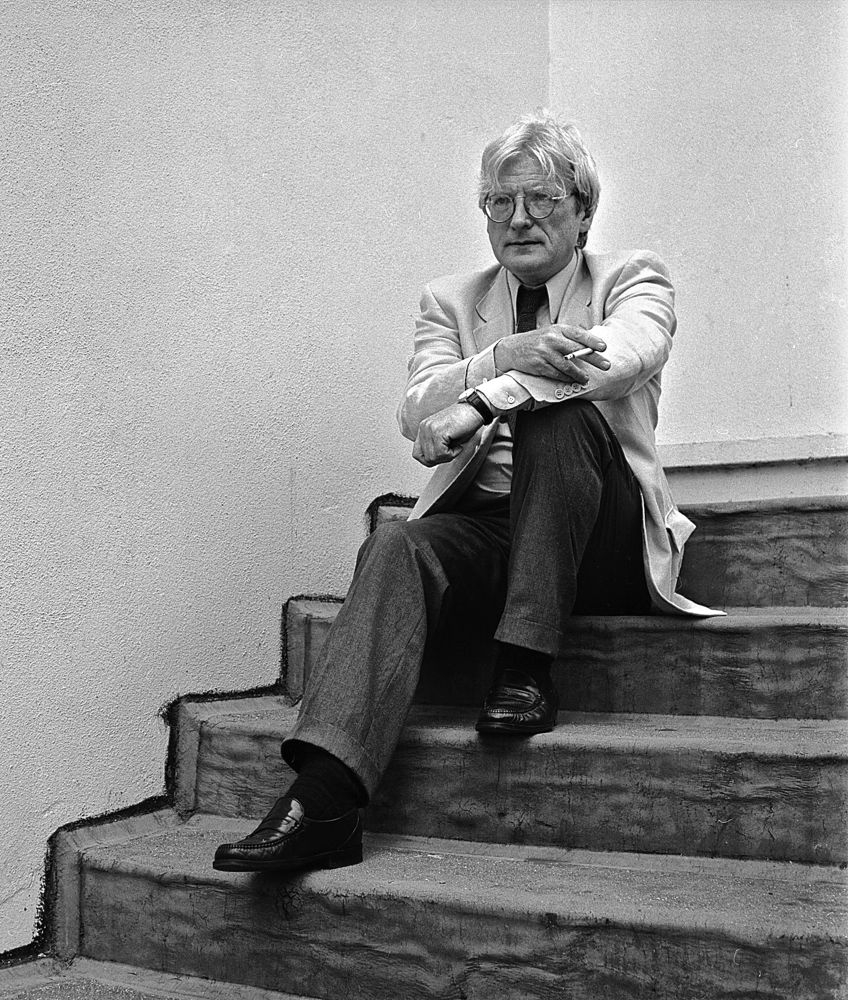
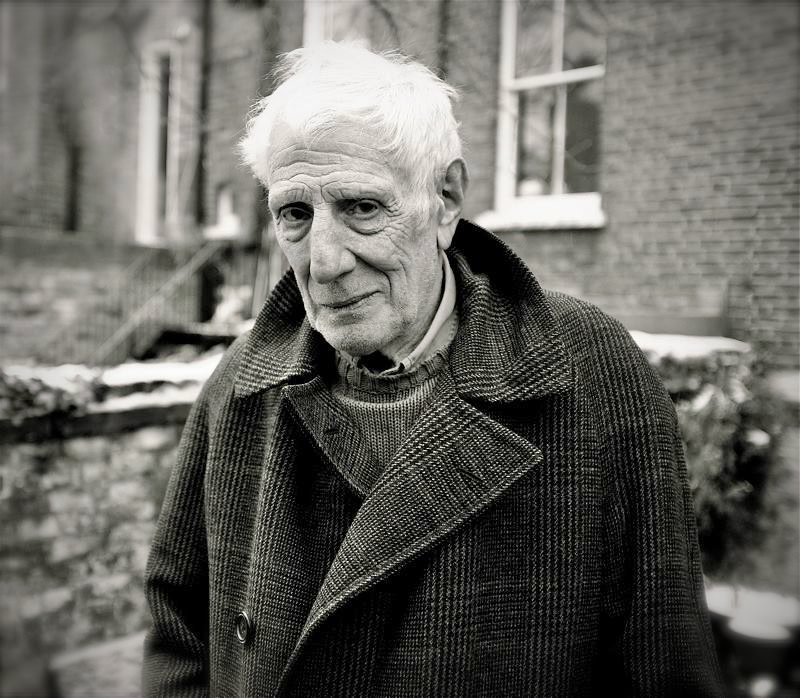
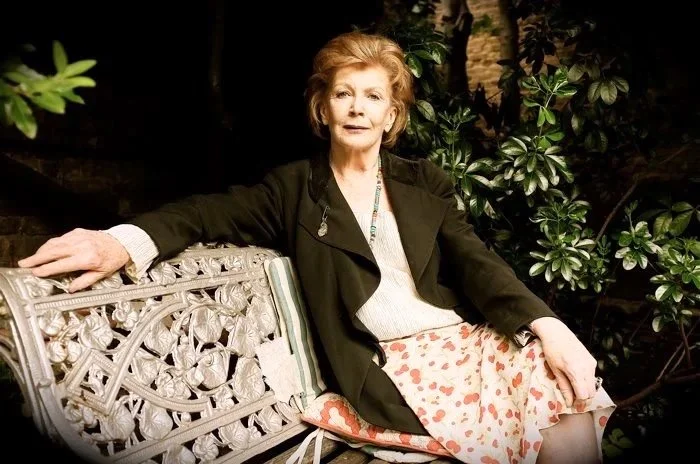
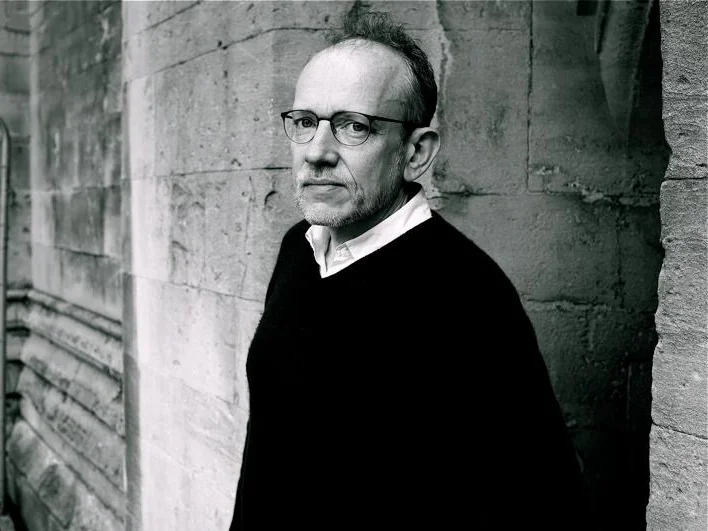
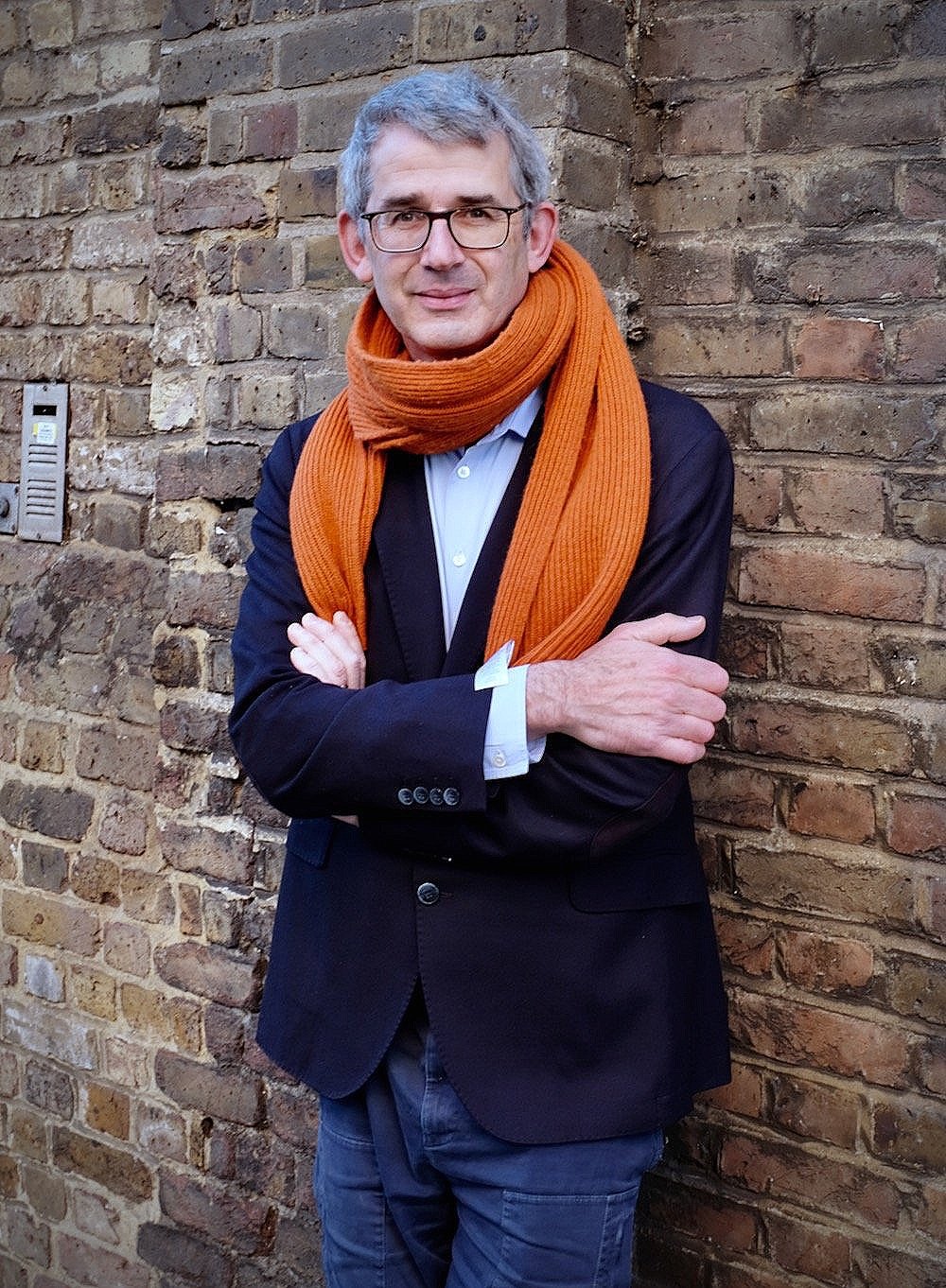
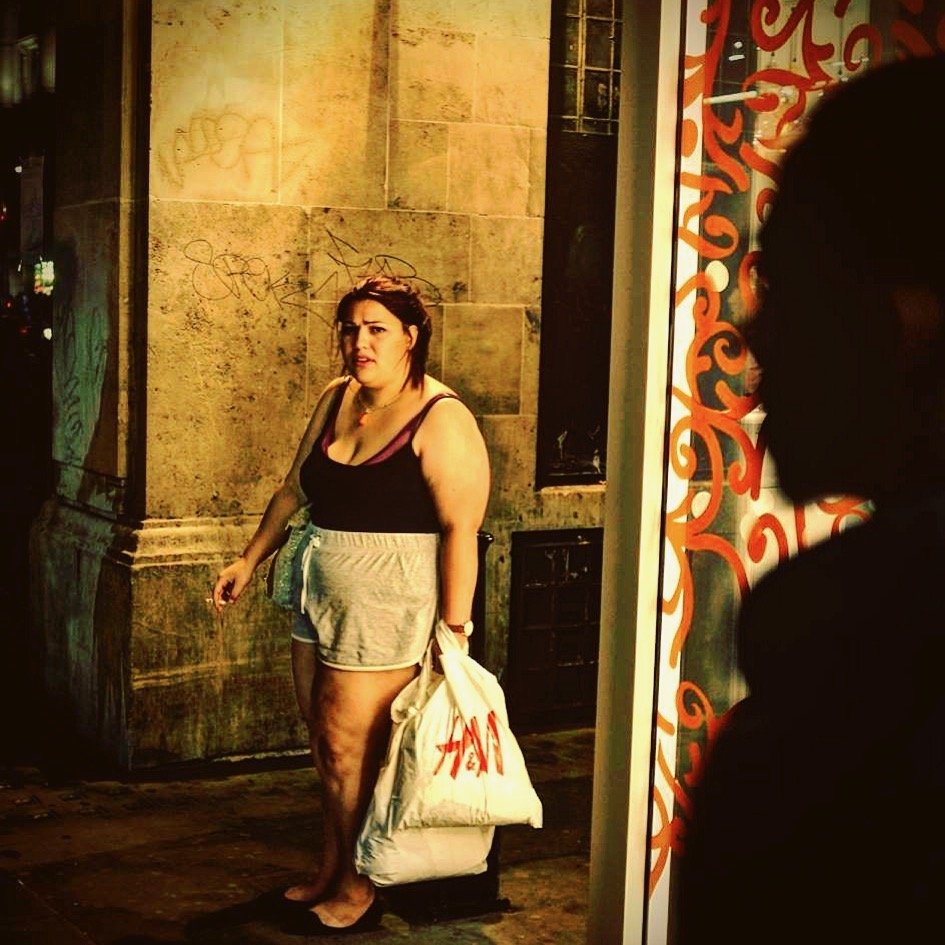
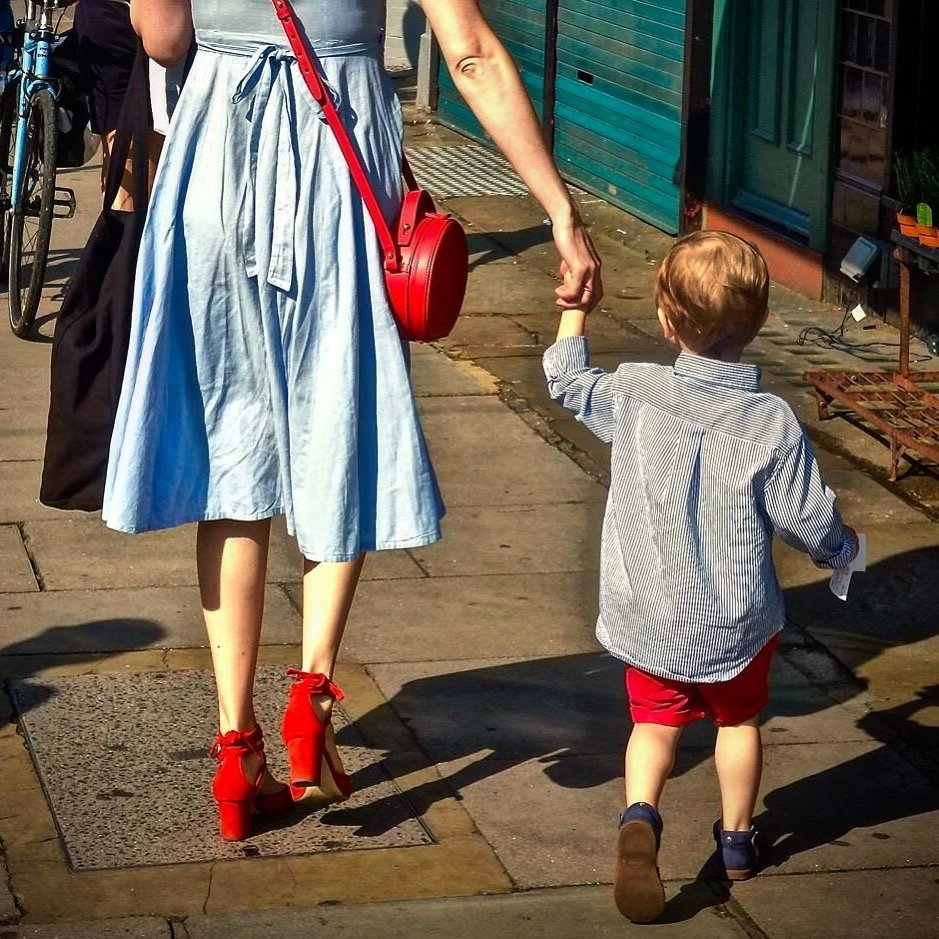
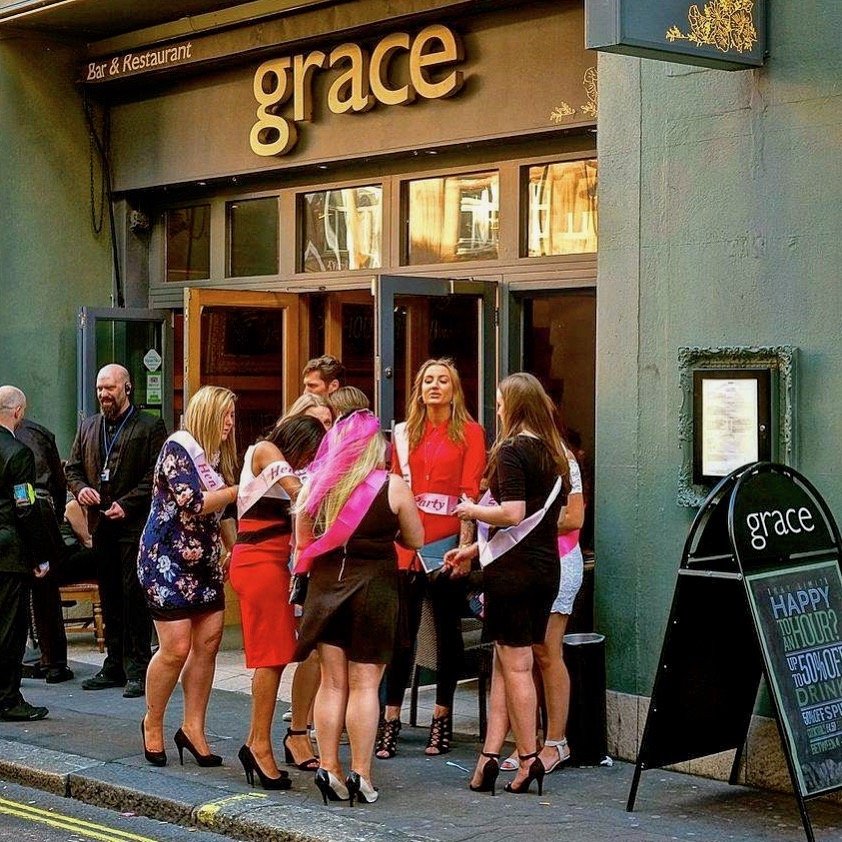
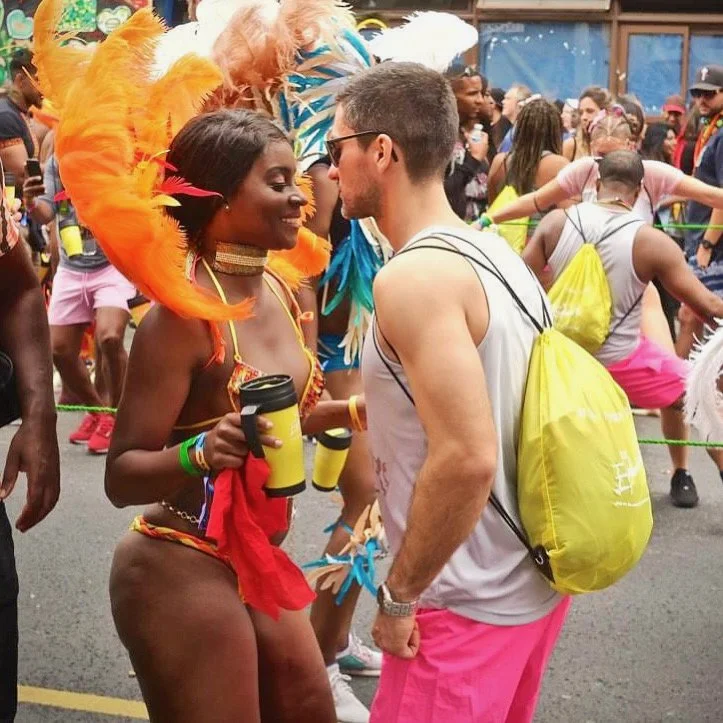
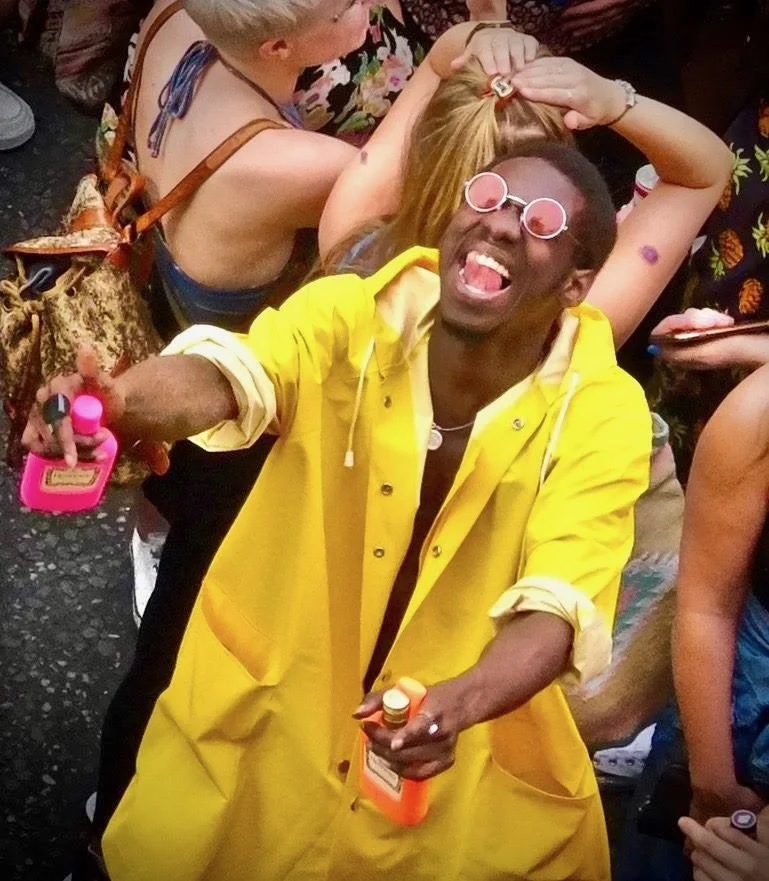
Among the subjects that have interested, preoccupied, excited and consumed me are icebergs, writers and artists, candid urban scenes, and still lifes.
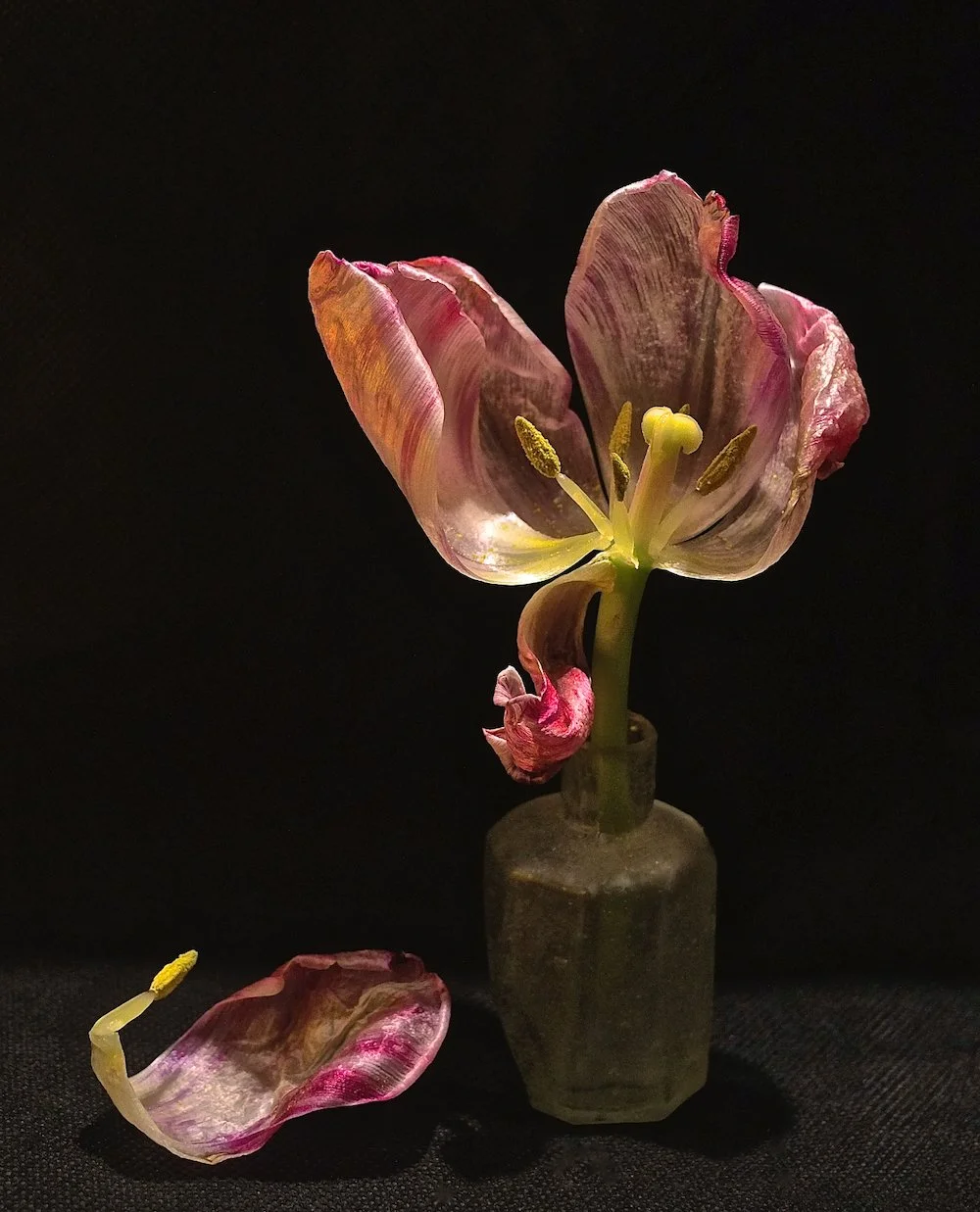
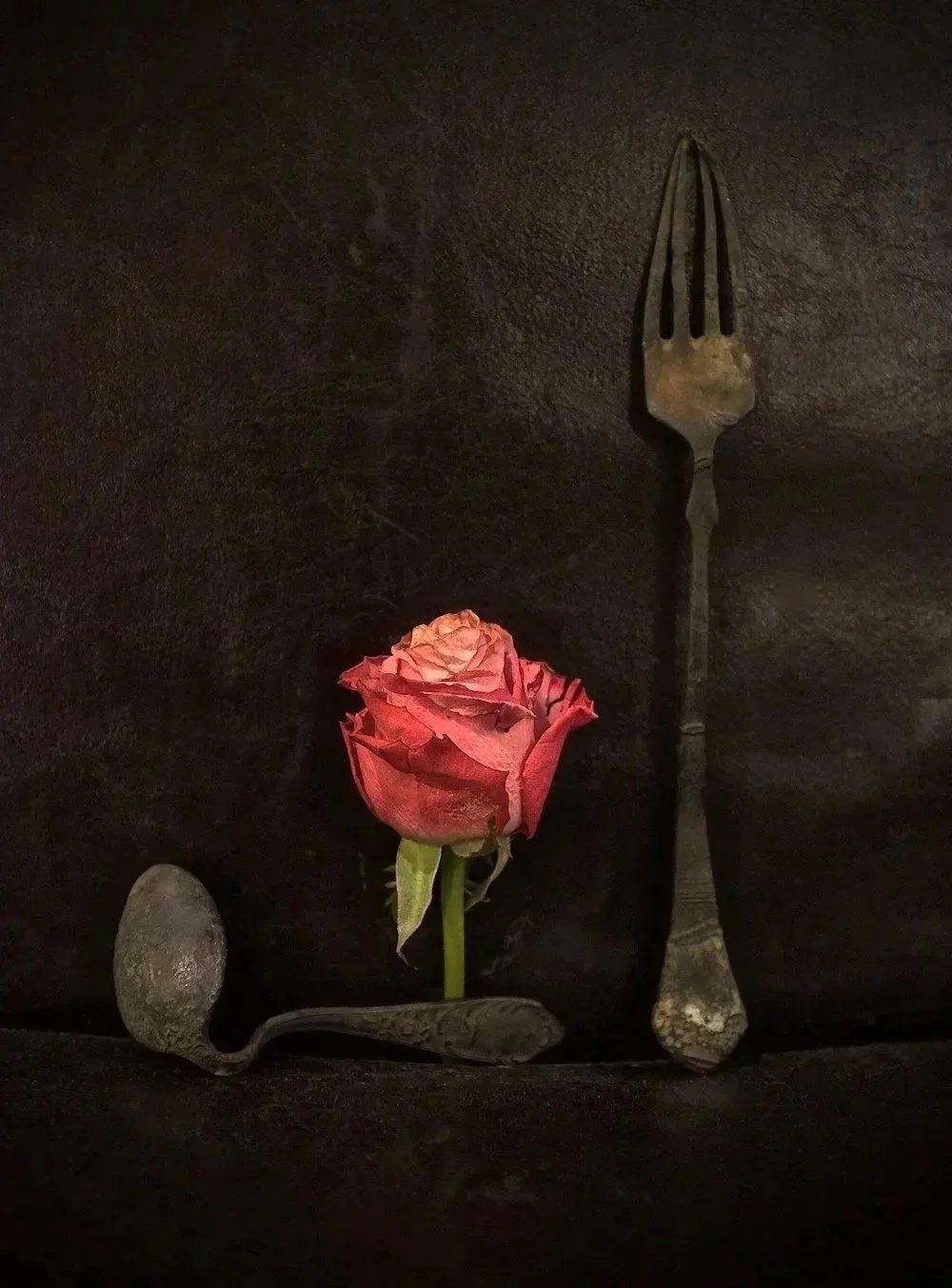
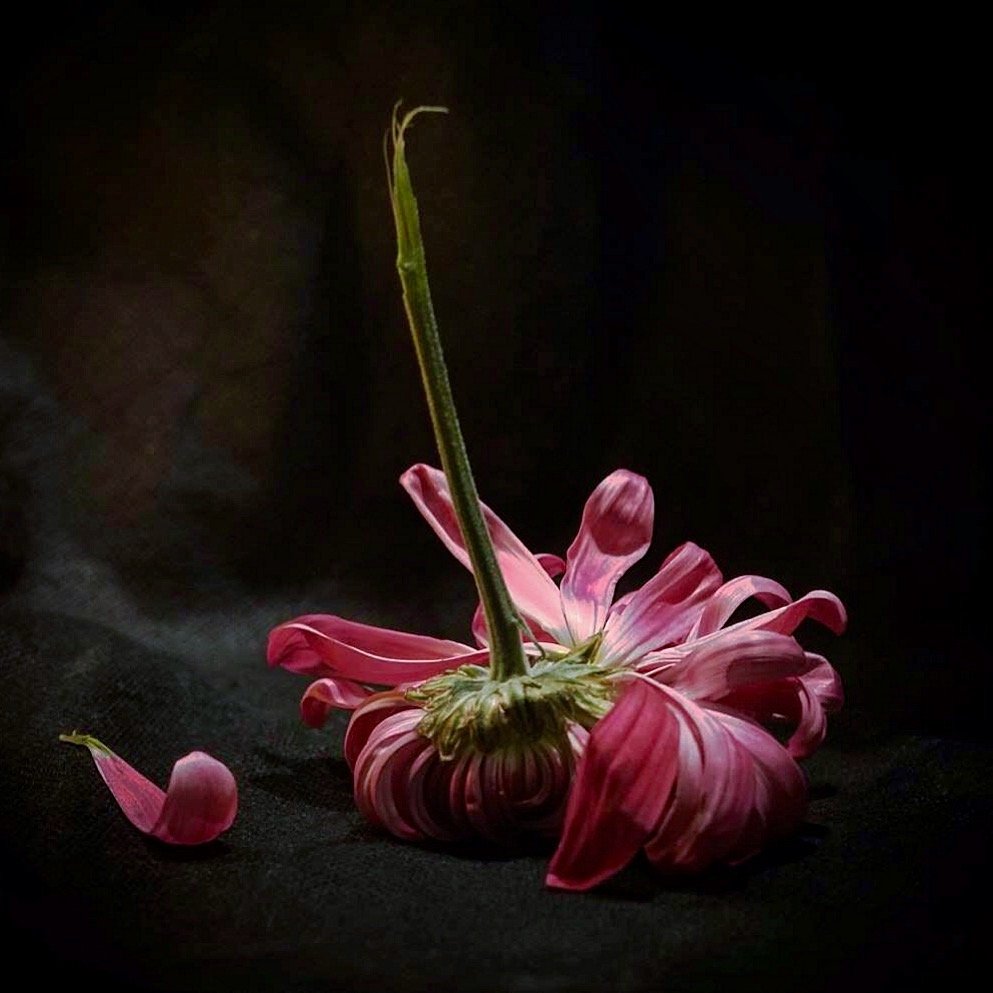
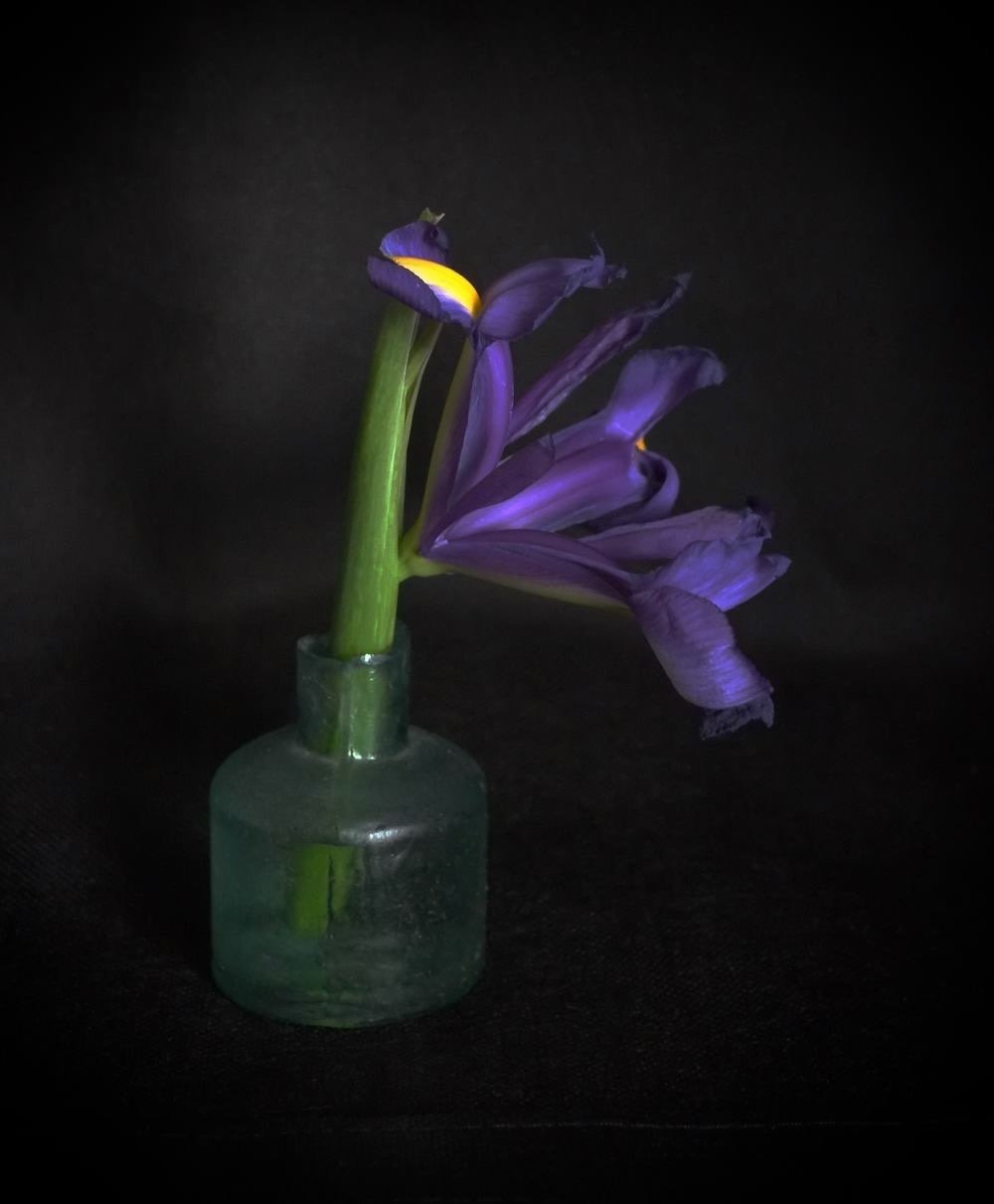
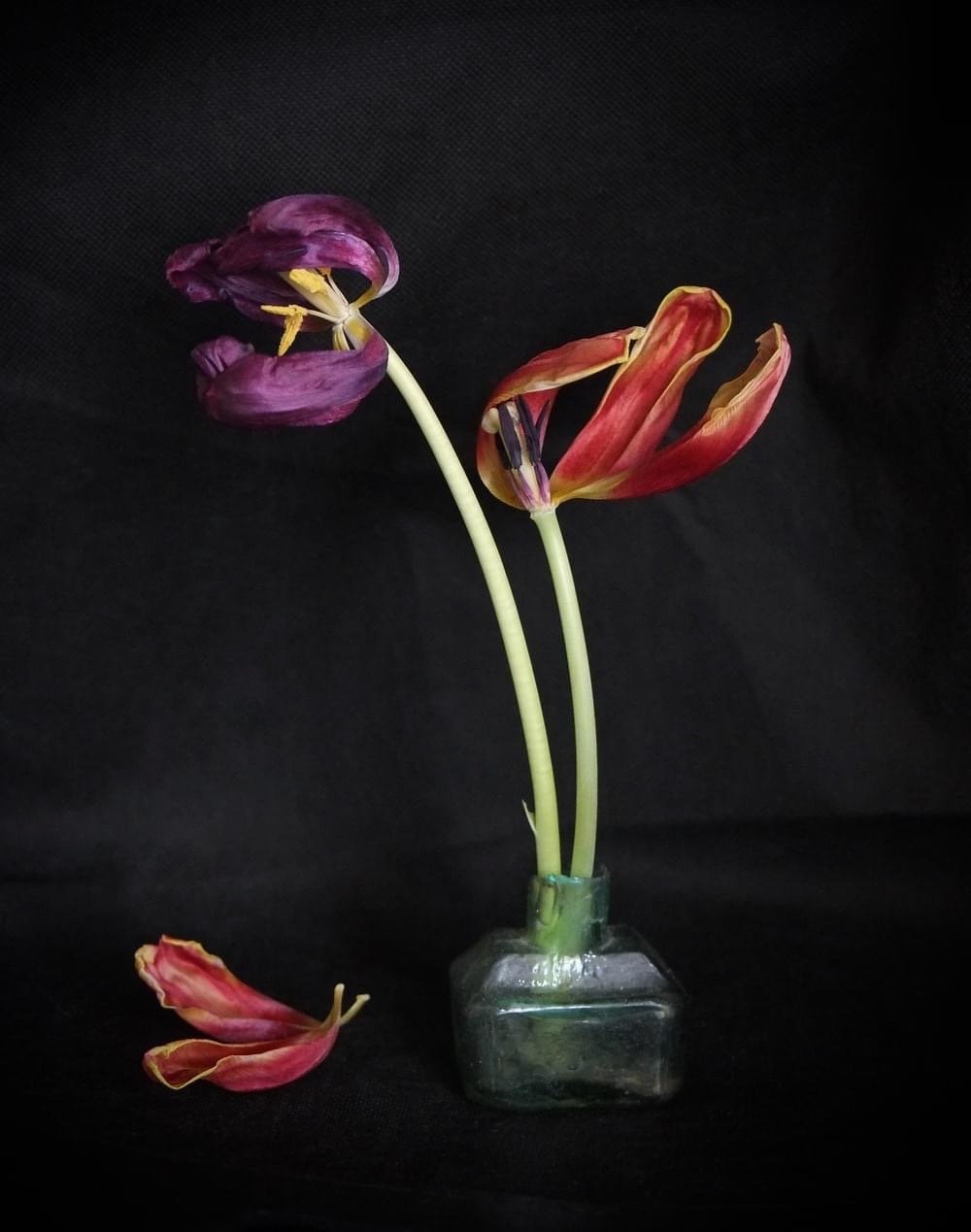
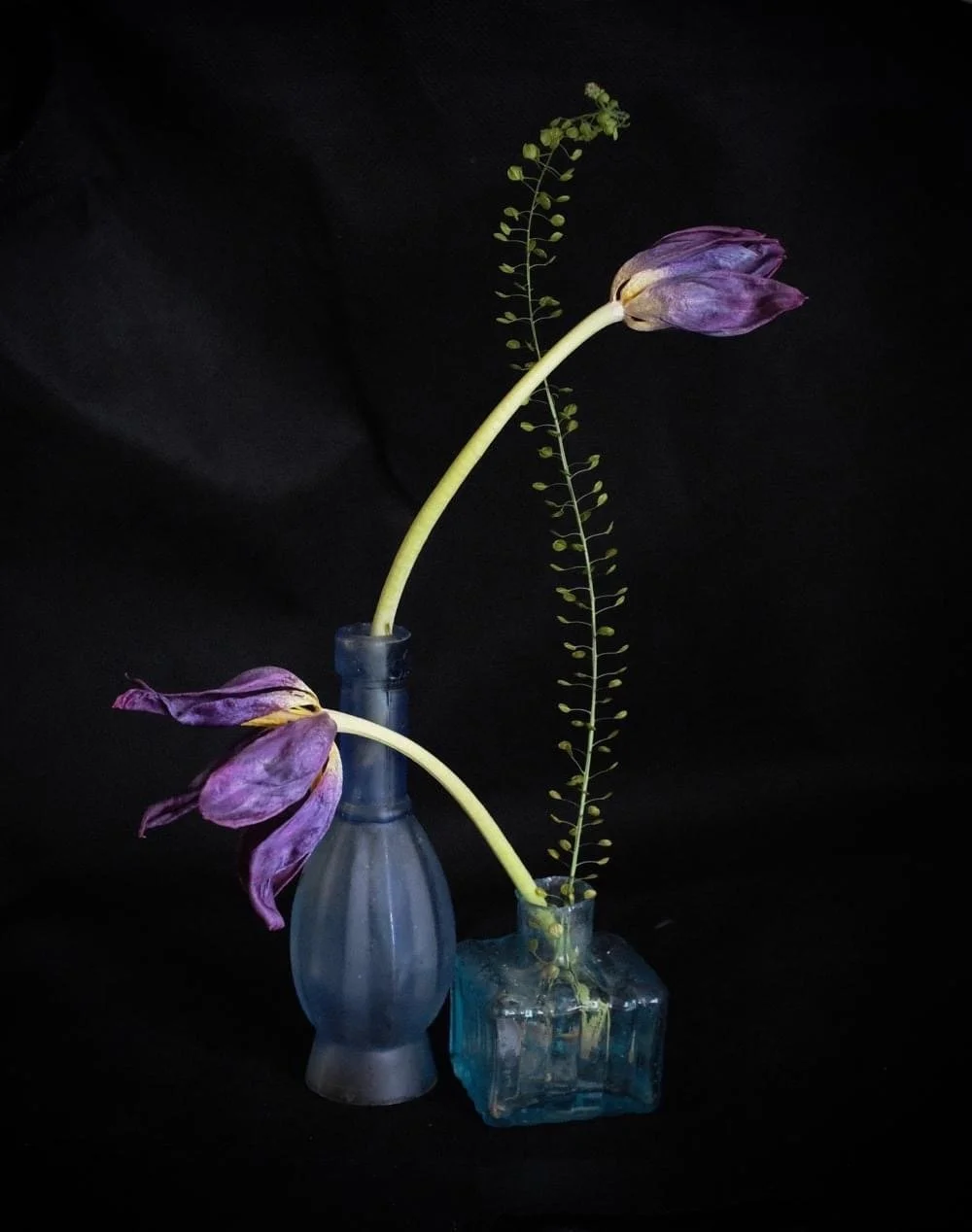
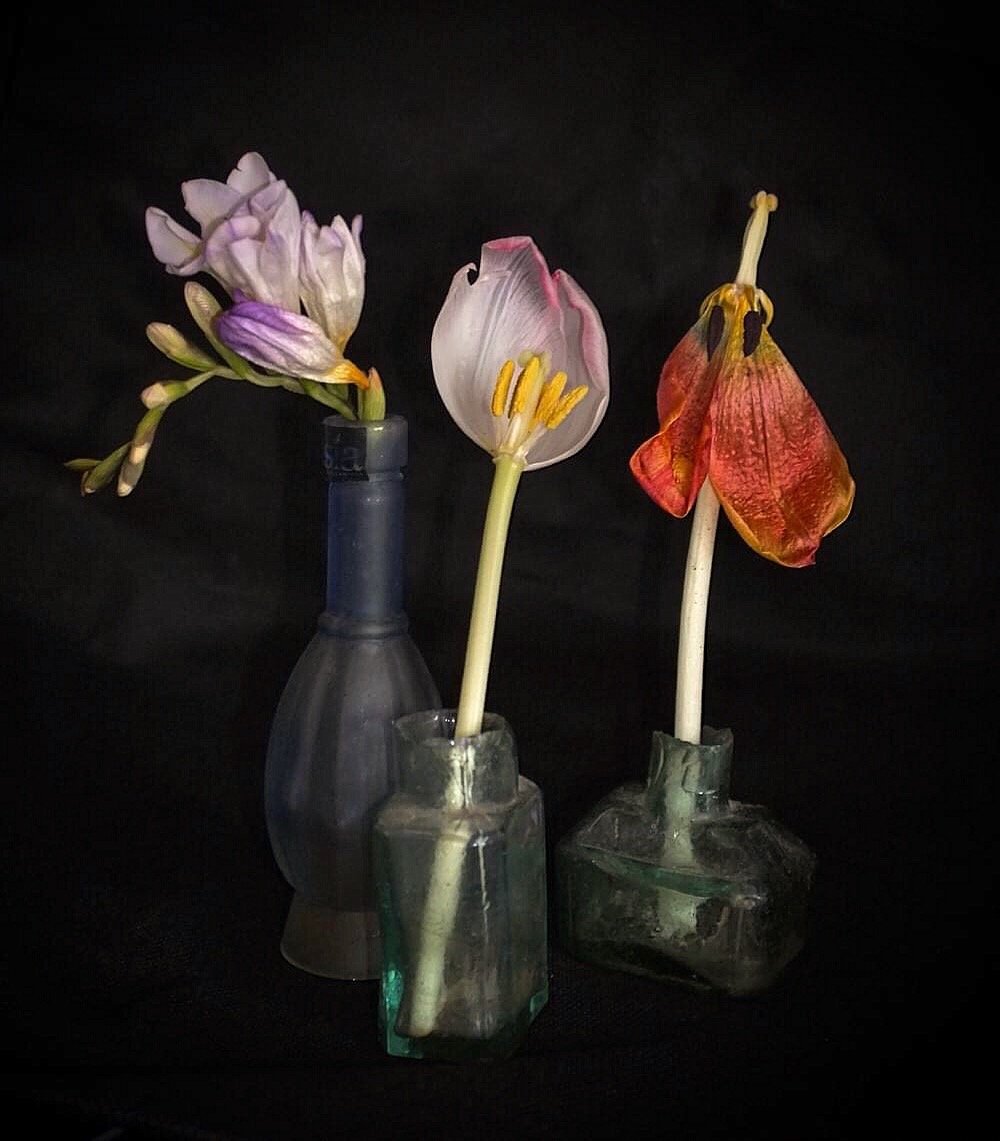
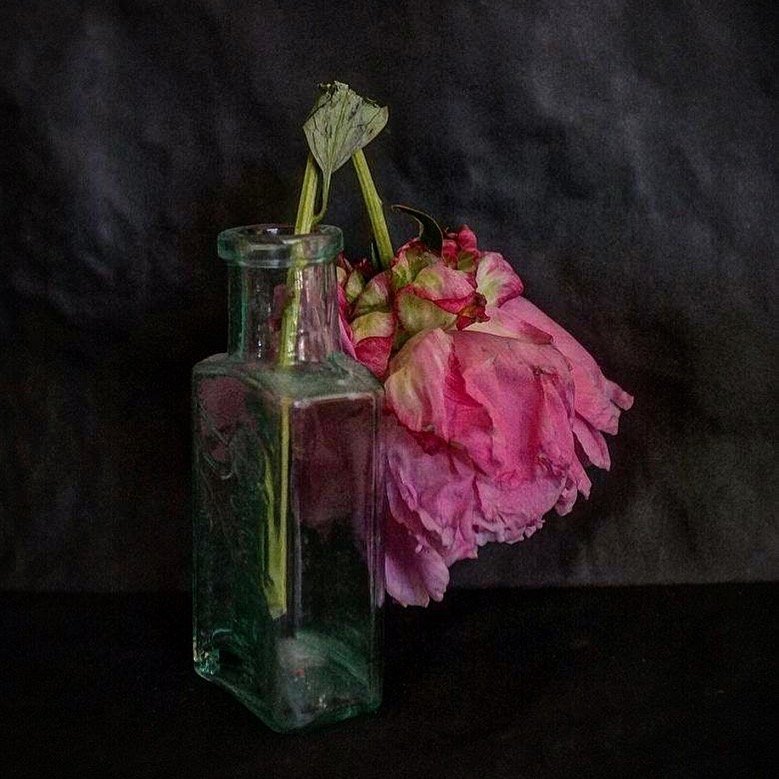
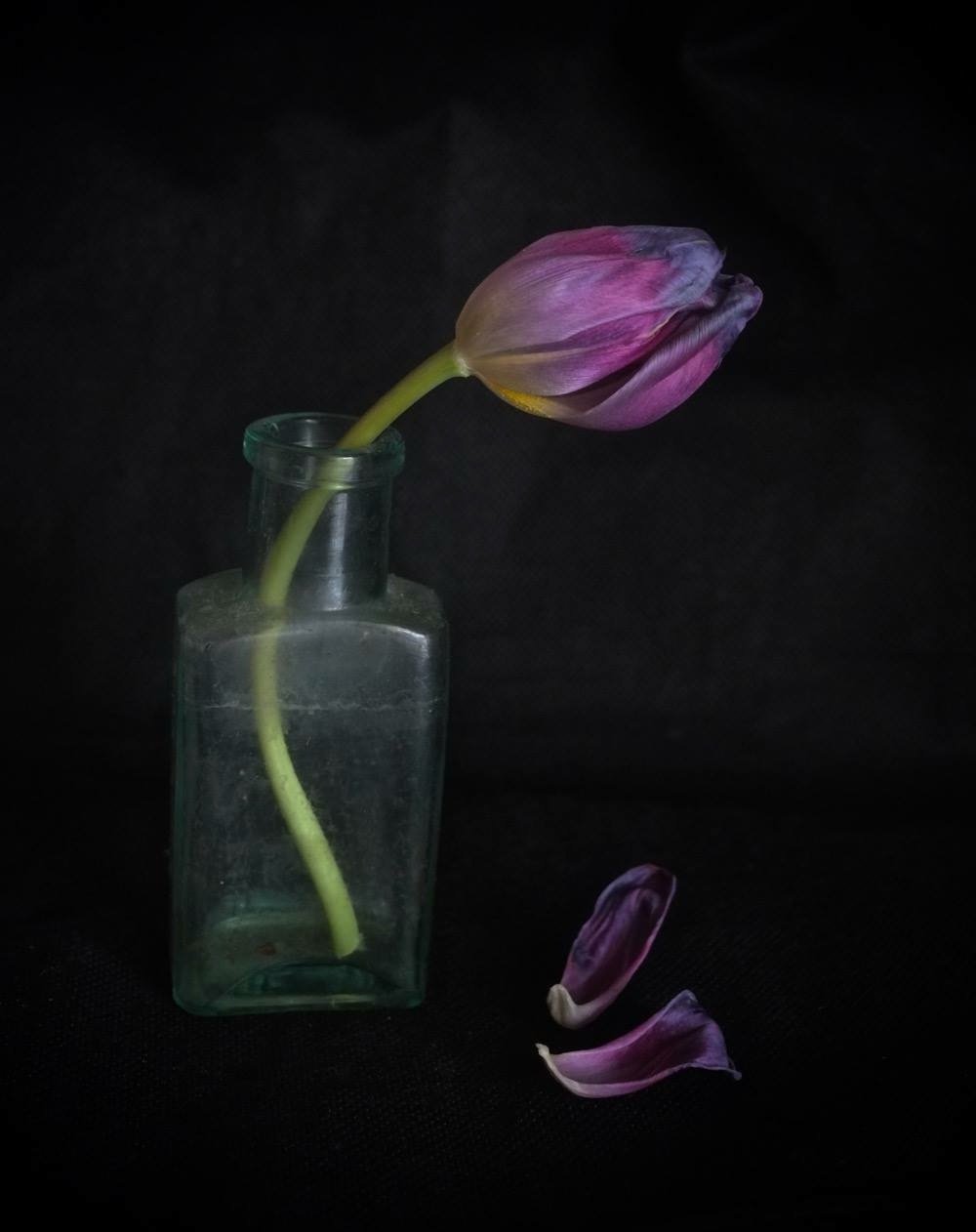
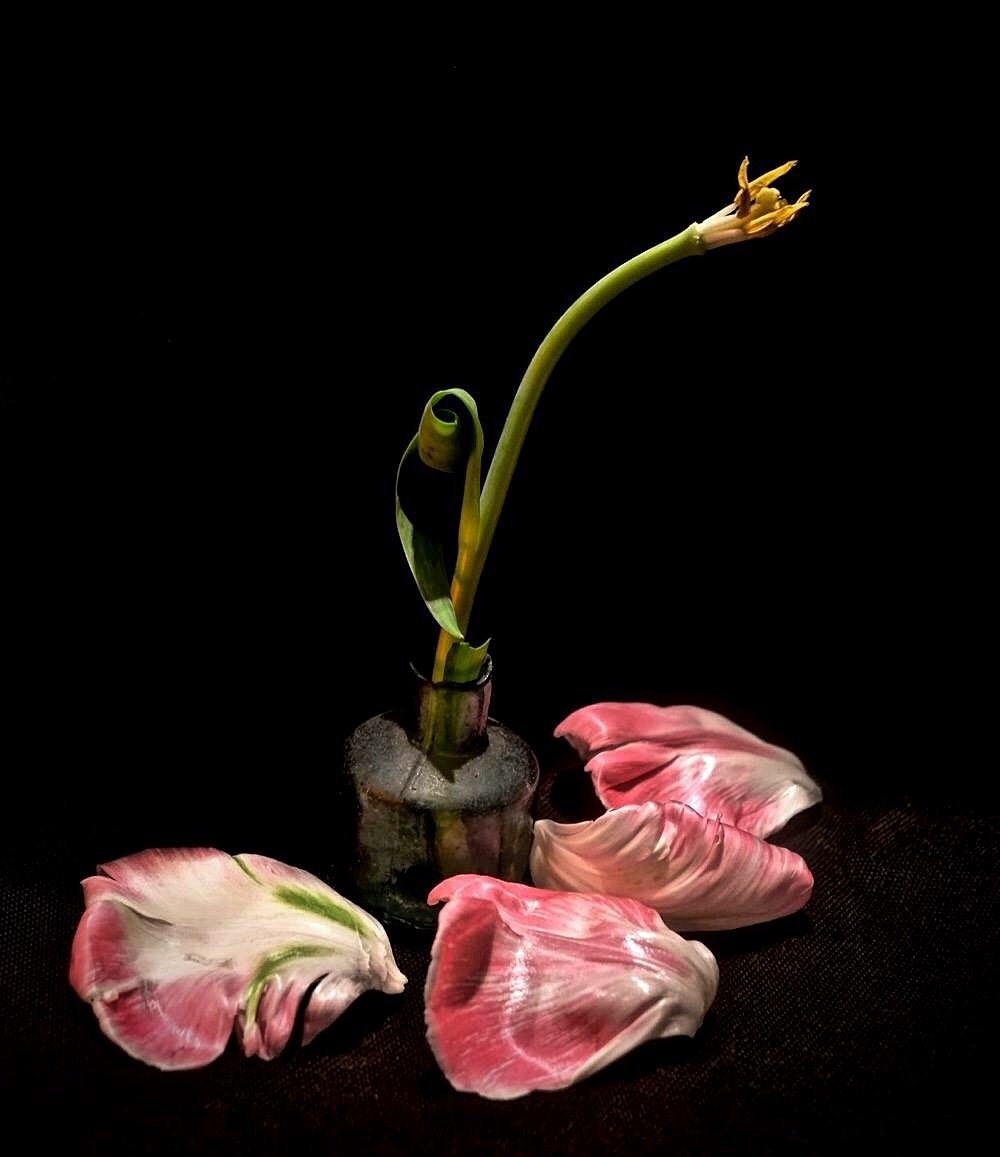
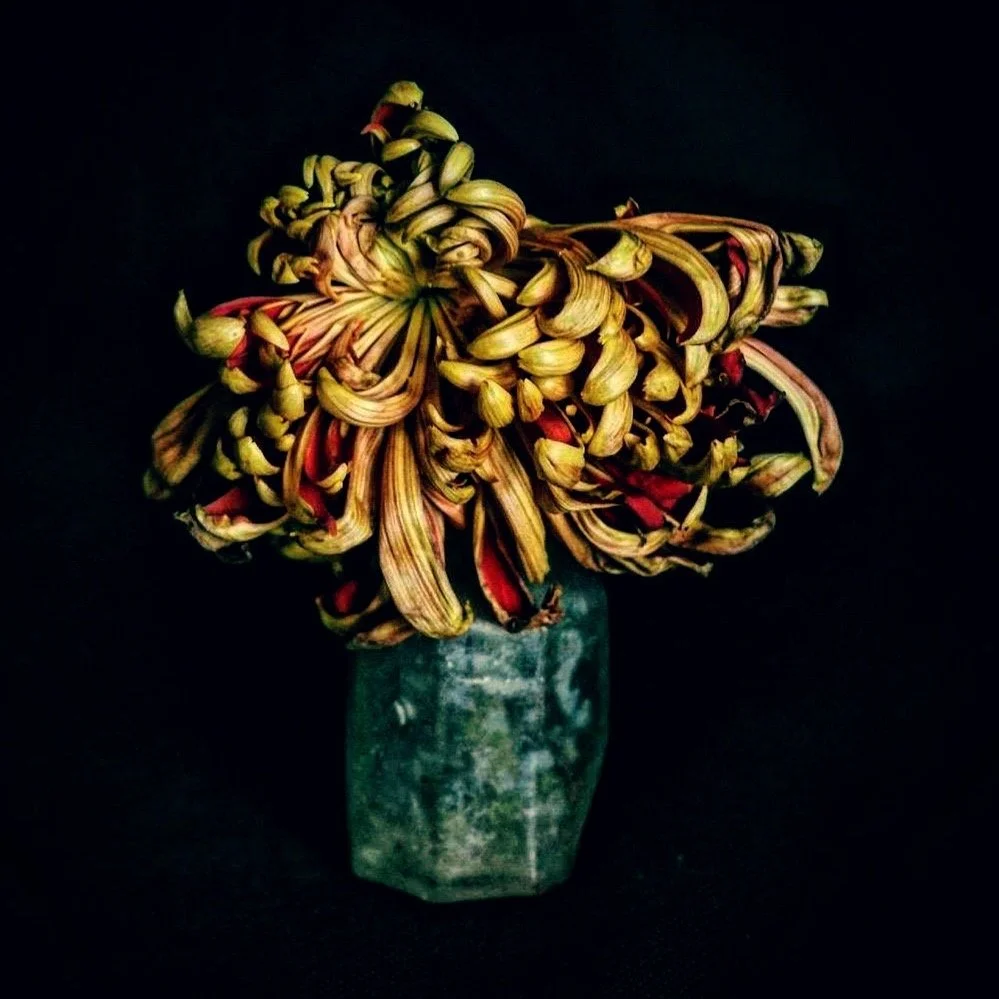
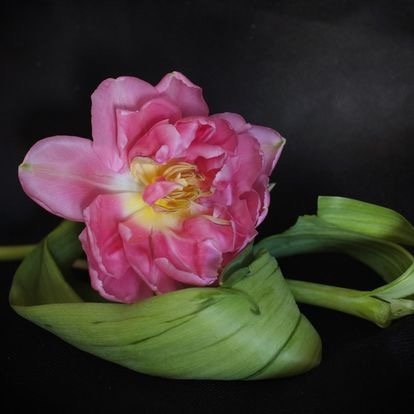
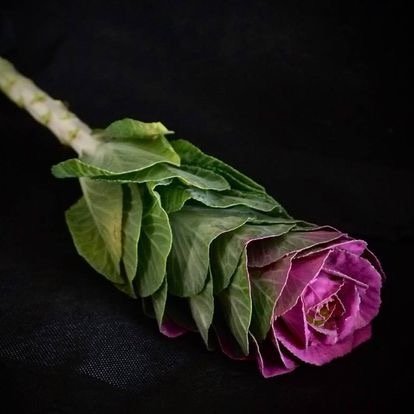
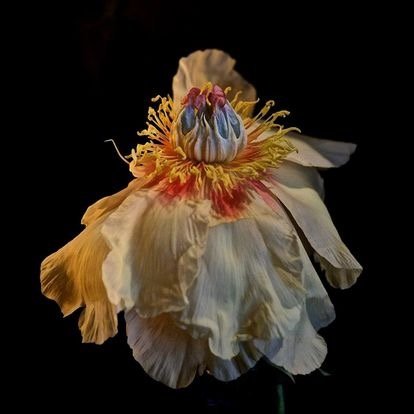
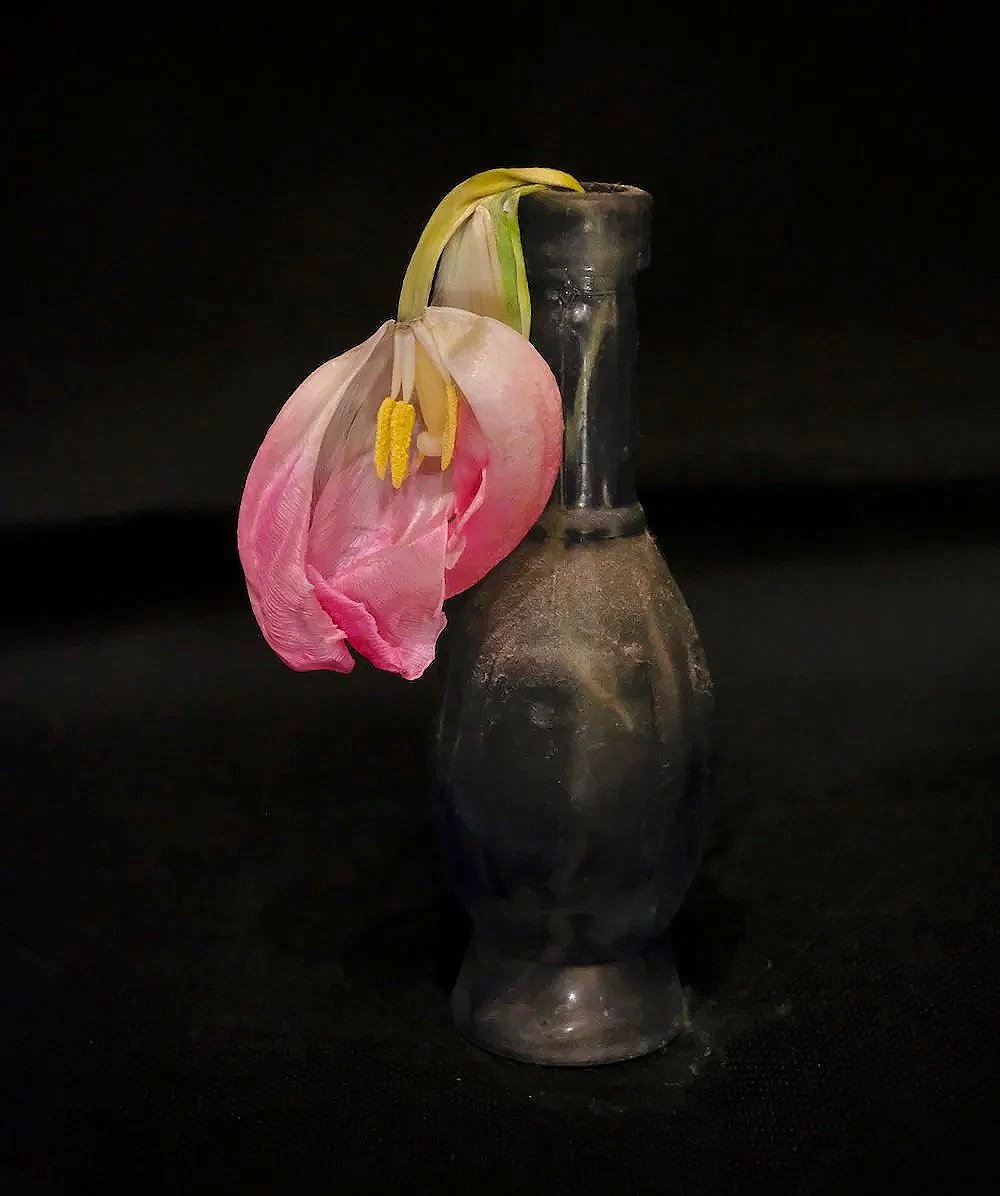
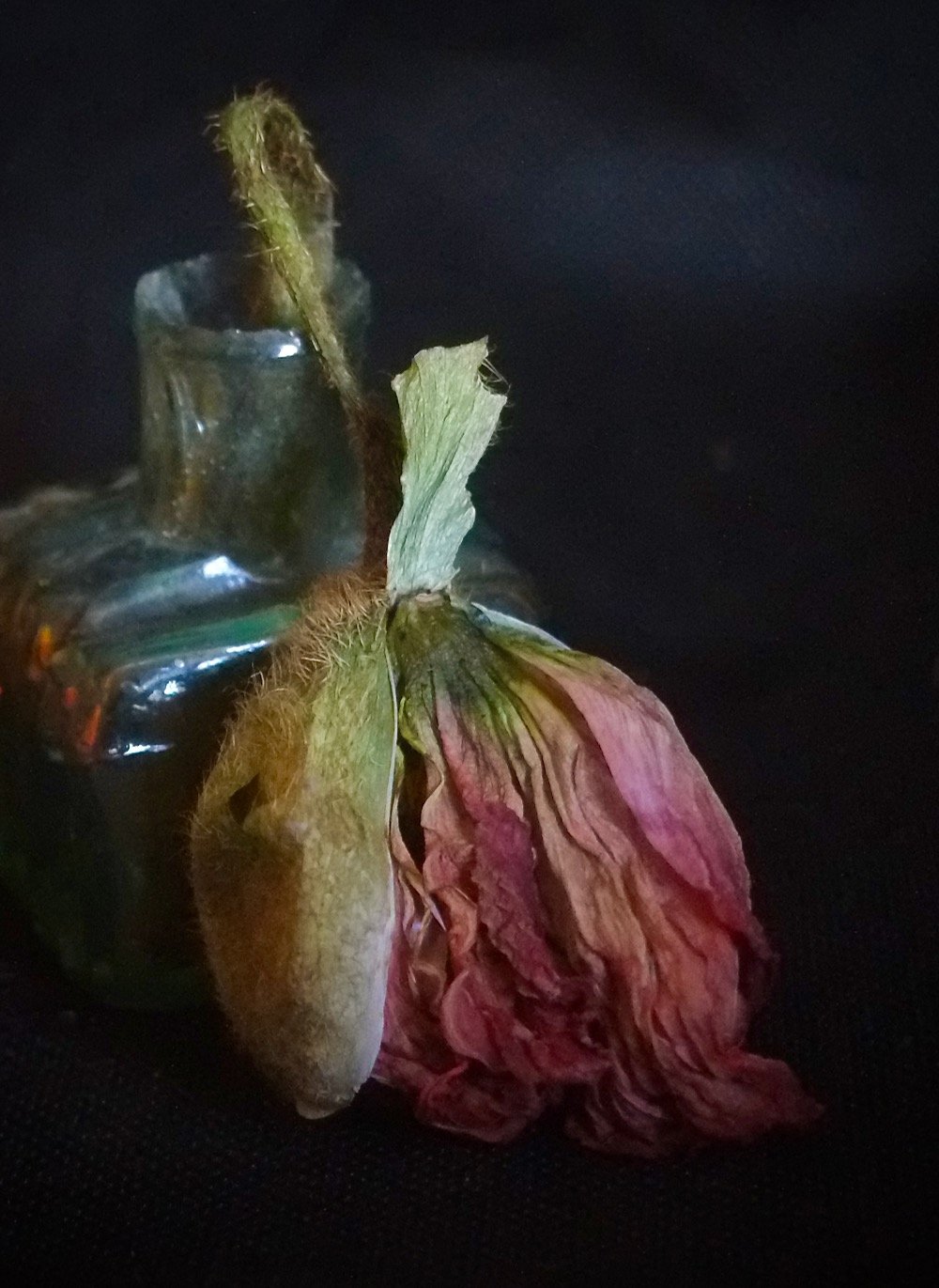
The latter is a relatively recent obsession which began about ten years ago and accelerated during the lockdown period. Our local florist would leave a bucketful of unsold flowers on the pavement outside the shop every evening. They were past their first freshness and clearly regarded as unsaleable. People would stop to admire the blooms and often take a few home. I found myself looking forward to the daily offerings, and inevitably had to photograph them on my kitchen table - precisely so that I could see what they would look like photographed.
It is tempting to draw on a distinction (recalled by Norman Bryson in his book Looking at the Overlooked ) made by the Polish art historian Charles Sterling. This was between megalography, the depiction of those things in the world which are great (for instance, icebergs, the melting of which might be seen as a symbol of the grand narrative of climate change), and rhopography, the depiction of those things which are petty, trivial, overlooked, rejected or excluded (for instance, wilting flowers and their fallen petals).
And yet, both subjects - massive icy formations in all their sublime, evanescent grandeur, and delicate, decaying blossoms - are examples of an ongoing preoccupation with the fragility and transience of all things. We are part of this temporal, perishable world, and depend on it not just for our sense of awe and beauty but for our very survival.
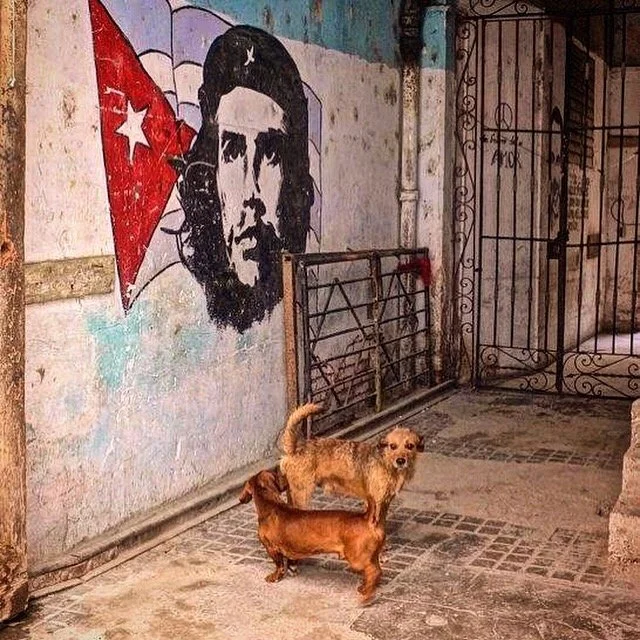
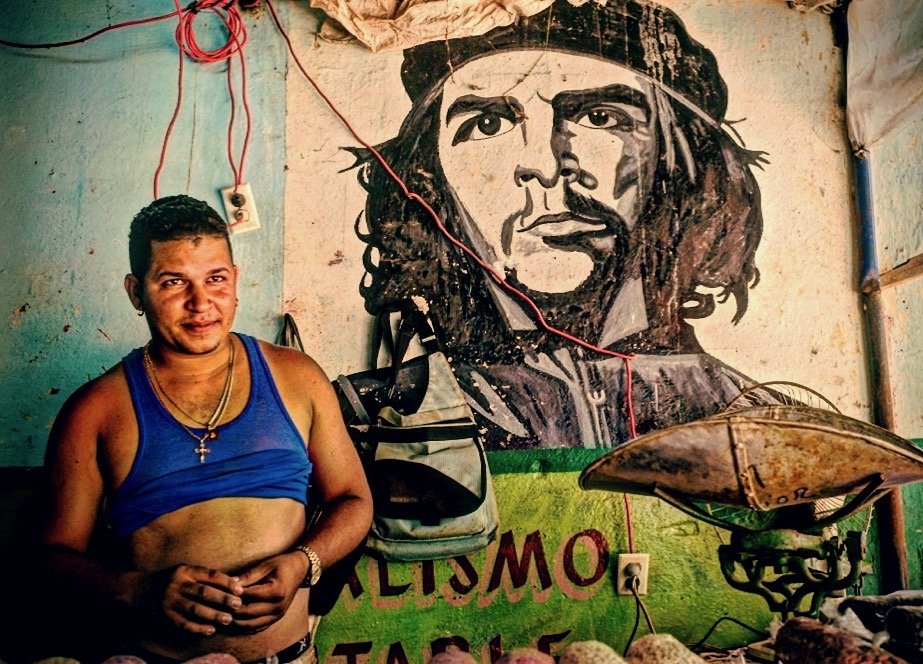
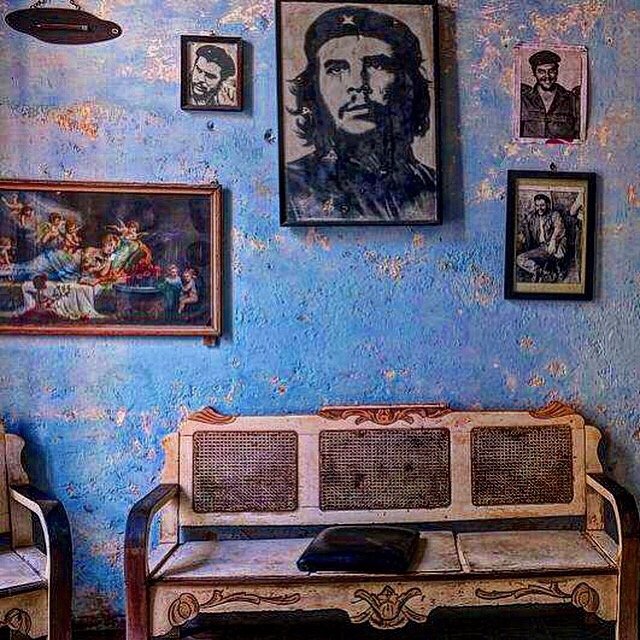
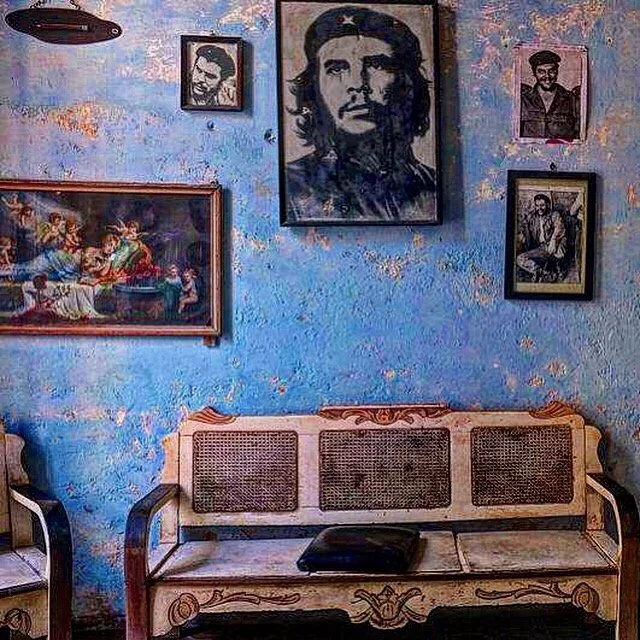
Havana is famous for Communist charm, icons of Che Guevara, old cars, courgette-sized cigars. All of these appear in my photographs - unavoidable cliches, and yet part of the city’s fabric. As are peeling walls that swirl from tomato red to pink; schoolgirls in ochre skirts and crisp white shirts; aquamarine lintels against turquoise doors, and sienna torsos lit from within a doorway’s shade. Havana gluts the eye.